
Introduction
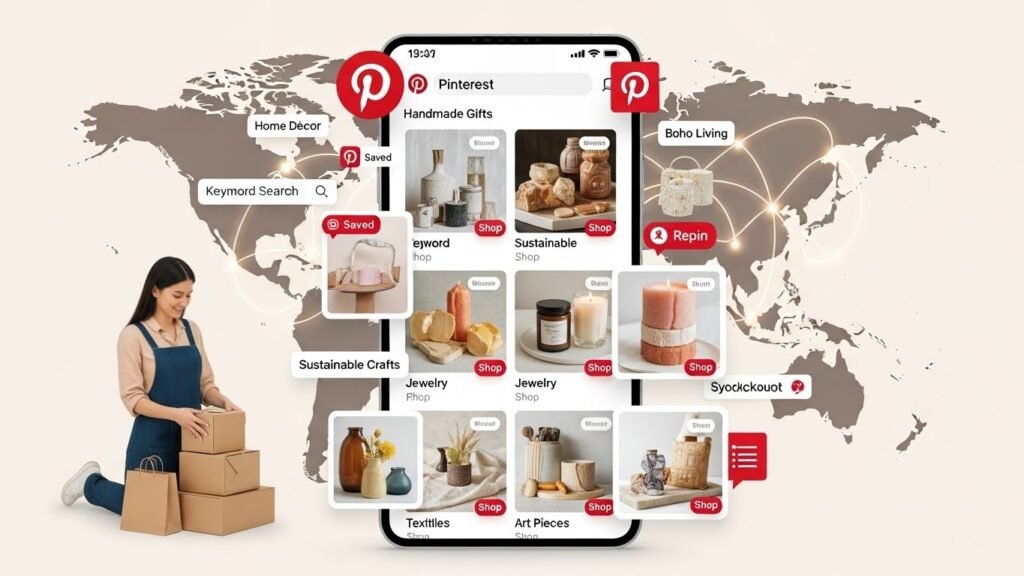
Handmade products have always carried a unique charm—authenticity, craftsmanship, and cultural storytelling. In 2026, the global handmade market is thriving, driven by consumer demand for sustainable, personalized, and artisanal goods. While platforms like Instagram and TikTok dominate short‑form content, Pinterest has quietly become the powerhouse for product discovery and global sales. For small businesses and artisans, Pinterest offers a visual search engine where creativity meets commerce.
This article explores how handmade product sellers can leverage Pinterest trends, tools, and strategies to expand their reach and drive global sales in 2026.
Why Pinterest Matters for Handmade Products
- Visual discovery engine: Pinterest is not just social media—it’s a search engine for ideas.
- High purchase intent: Users often browse Pinterest with the goal of buying or planning purchases.
- Global reach: Pinterest connects artisans with audiences worldwide, from the U.S. to Europe and Asia.
- Longevity of content: Unlike Instagram or TikTok, pins have a long shelf life and continue to drive traffic months after posting.
Step 1: Optimize Pinterest Profiles for Handmade Brands
A strong profile sets the foundation for global sales.
- Business account: Switch to a Pinterest Business account for analytics and ad tools.
- Brand identity: Use a consistent logo, banner, and bio that highlights your handmade niche.
- Keyword‑rich descriptions: Include terms like “handmade jewelry,” “eco‑friendly crafts,” or “artisan pottery.”
- Link to shop: Ensure your Etsy, Shopify, or website is linked directly.
Step 2: Create High‑Quality Pins
Pins are the storefront windows of Pinterest.
- Photography: Use bright, natural lighting to showcase product details.
- Vertical format: 2:3 aspect ratio works best for mobile users.
- Text overlays: Add short, catchy text like “Eco‑friendly Handmade Bag” or “Unique Gift Idea.”
- Video pins: Show the making process—Gen Z and Millennials love behind‑the‑scenes content.
- Idea pins: Share tutorials, DIY inspiration, or styling tips using your products.
Step 3: Leverage Pinterest Trends in 2026
Pinterest releases annual trend reports. Handmade sellers should:
- Track trending searches: e.g., “sustainable gifts,” “boho home décor,” “personalized jewelry.”
- Seasonal boards: Create pins for holidays, weddings, and festivals.
- Cultural relevance: Highlight local traditions and crafts that resonate globally.
- Eco‑friendly focus: Sustainability is a major trend—emphasize handmade, organic, and recycled materials.
Step 4: Build Boards Strategically
Boards organize pins and attract niche audiences.
- Product boards: “Handmade Jewelry,” “Eco‑Friendly Bags,” “Artisan Home Décor.”
- Lifestyle boards: “Boho Living,” “Minimalist Style,” “DIY Inspiration.”
- Seasonal boards: “Christmas Handmade Gifts,” “Wedding Décor Ideas.”
- Collaborative boards: Partner with other artisans to cross‑promote.
Step 5: Drive Traffic to Online Stores
Pinterest is a gateway to global sales.
- Rich pins: Automatically update product details like price and availability.
- Shop tab: Enable Pinterest’s shopping features to showcase products directly.
- Link optimization: Ensure every pin links to a product page, not just the homepage.
- Analytics: Track clicks, saves, and conversions to refine strategy.
Step 6: Use Pinterest Ads for Global Reach
Pinterest Ads are affordable compared to Facebook or Instagram.
- Promoted pins: Boost visibility of best‑selling products.
- Targeting: Focus on demographics, interests, and keywords.
- Retargeting: Reach users who engaged with your pins but didn’t purchase.
- Budgeting: Start small ($5–10/day) and scale based on ROI.
Step 7: Showcase the Handmade Story
Gen Z and Millennials value authenticity.
- Behind‑the‑scenes pins: Show artisans crafting products.
- Storytelling: Share the cultural or personal inspiration behind each item.
- Eco‑friendly narrative: Highlight sustainable materials and ethical production.
- Customer testimonials: Pin user photos and reviews for social proof.
Case Studies
- Handmade Jewelry Brand (U.S.): Used Pinterest Idea Pins to show styling tips, leading to a 40% increase in Etsy sales.
- Eco‑friendly Bag Maker (India): Leveraged “sustainable fashion” boards, gaining international wholesale orders.
- Artisan Pottery Studio (UK): Created seasonal boards for weddings and holidays, doubling traffic during peak seasons.
Practical Tips for Handmade Sellers
- Consistency: Pin daily or at least 3–5 times per week.
- SEO focus: Treat Pinterest like Google—use keywords in titles and descriptions.
- Cross‑platform sharing: Repurpose pins on Instagram Stories and TikTok.
- Engage with community: Comment, save, and collaborate with other creators.
- Track ROI: Use Pinterest Analytics and Google Analytics to measure conversions.
Risks & Challenges
- Trend saturation: Overusing popular trends can make products blend in.
- Time investment: Pinterest requires consistent pinning and engagement.
- Competition: Global reach means competing with thousands of artisans.
- Algorithm shifts: Pinterest updates can affect visibility—stay adaptable.
Conclusion
In 2026, Pinterest is more than a platform—it’s a global marketplace for handmade products. By leveraging trends, optimizing pins, and telling authentic stories, artisans can attract Gen Z and Millennial buyers worldwide. With its unique blend of visual discovery and purchase intent, Pinterest offers handmade sellers a sustainable path to global growth.