
Introduction
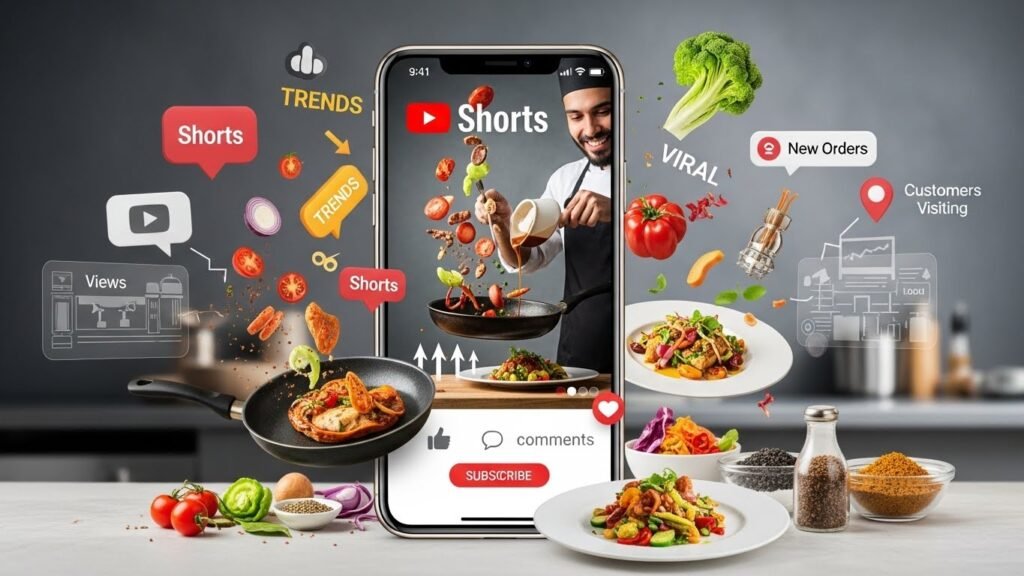
In 2026, short‑form video has become the most powerful way to reach audiences online. While TikTok and Instagram Reels dominate, YouTube Shorts has emerged as a game‑changer for small businesses—especially restaurants. With billions of monthly users and strong integration into Google’s ecosystem, Shorts offers small restaurants a chance to showcase their recipes, attract Gen Z and Millennials, and even go viral without massive budgets.
This article explores how small restaurants can craft a winning YouTube Shorts strategy to turn their recipes into viral content, build loyal communities, and drive foot traffic.
Why YouTube Shorts Matter for Restaurants
- Massive reach: YouTube has over 2.7 billion monthly users, and Shorts are heavily promoted.
- Search integration: Shorts appear in Google search results, boosting discoverability.
- Evergreen potential: Unlike TikTok, YouTube content can continue to generate views for years.
- Local visibility: Restaurants can target local audiences while appealing to global food lovers.
Step 1: Understand the YouTube Shorts Ecosystem
Shorts are vertical videos under 60 seconds. Restaurants should:
- Study trending formats: Recipe hacks, “day in the life,” quick tutorials.
- Follow trending sounds: Music and audio clips that boost algorithmic reach.
- Observe viral food creators: Learn from successful food channels.
- Adapt trends locally: Showcase regional dishes with a modern twist.
Step 2: Craft Engaging Recipe Content
Recipes are perfect for Shorts because they are visual, quick, and satisfying.
- Quick tutorials: Show how to make a dish in under 60 seconds.
- Behind‑the‑scenes: Capture chefs preparing meals or plating dishes.
- Signature dishes: Highlight unique items that differentiate the restaurant.
- Customer POV: Show the dining experience from a guest’s perspective.
- Seasonal specials: Create Shorts around festivals, holidays, or trending flavors.
Step 3: Hook Viewers in the First 3 Seconds
Attention spans are short. Restaurants should:
- Use text overlays: “Best Street Tacos in Town!”
- Start with action: Show sizzling pans, pouring sauces, or cutting fresh ingredients.
- Add curiosity: “You won’t believe how we make this…”
- Leverage trending sounds: Sync visuals with popular audio clips.
Step 4: Leverage Shorts Features
- Captions: Add text for accessibility and engagement.
- Hashtags: Use #Foodie, #Shorts, #RestaurantRecipes.
- Playlists: Organize Shorts into categories (Breakfast, Street Food, Desserts).
- Community tab: Engage with viewers through polls and updates.
- Analytics: Track watch time, retention, and shares.
Step 5: Collaborate with Local Influencers
Micro‑influencers can amplify reach.
- Invite food bloggers to film Shorts in the restaurant.
- Offer free tastings in exchange for content.
- Cross‑promote on Instagram and TikTok.
- Encourage influencers to highlight unique recipes or dining experiences.
Step 6: Build a Restaurant Shorts Identity
Consistency builds recognition.
- Define tone: Fun, cozy, quirky, or gourmet.
- Post regularly: At least 3–4 Shorts per week.
- Engage actively: Reply to comments, pin top feedback.
- Align with brand: Ensure Shorts reflect the restaurant’s vibe.
Case Studies
- Street Food Café (Delhi): Went viral by posting 30‑second clips of sizzling momos with trending Bollywood sounds.
- Pizza Shop (New York): Used Shorts to show “behind the counter” dough‑tossing, gaining millions of views.
- Vegan Bistro (London): Leveraged Shorts tutorials (“How to make vegan cheese”) to attract global audiences.
Practical Tips for Restaurants
- Lighting: Natural light enhances food visuals.
- Editing: Use jump cuts for fast pacing.
- Cross‑platform sharing: Repurpose Shorts on Instagram Reels and TikTok.
- Encourage participation: Ask customers to film their own Shorts in the restaurant.
- Optimize titles: Use keywords like “Best Burger Recipe” or “Quick Pasta Hack.”
Risks & Challenges
- Trend fatigue: Overusing viral formats can feel repetitive.
- Consistency: Requires regular posting and creativity.
- Negative feedback: Gen Z values authenticity—avoid over‑polished ads.
- ROI tracking: Harder to measure direct sales impact, but brand awareness grows.
Conclusion
YouTube Shorts is more than a video format—it’s a growth engine for small restaurants. By showcasing recipes in engaging, bite‑sized videos, restaurants can attract Gen Z customers, build loyal communities, and even go viral globally. With creativity, consistency, and smart use of Shorts features, small restaurants can transform their kitchens into digital stages and their recipes into viral sensations.