
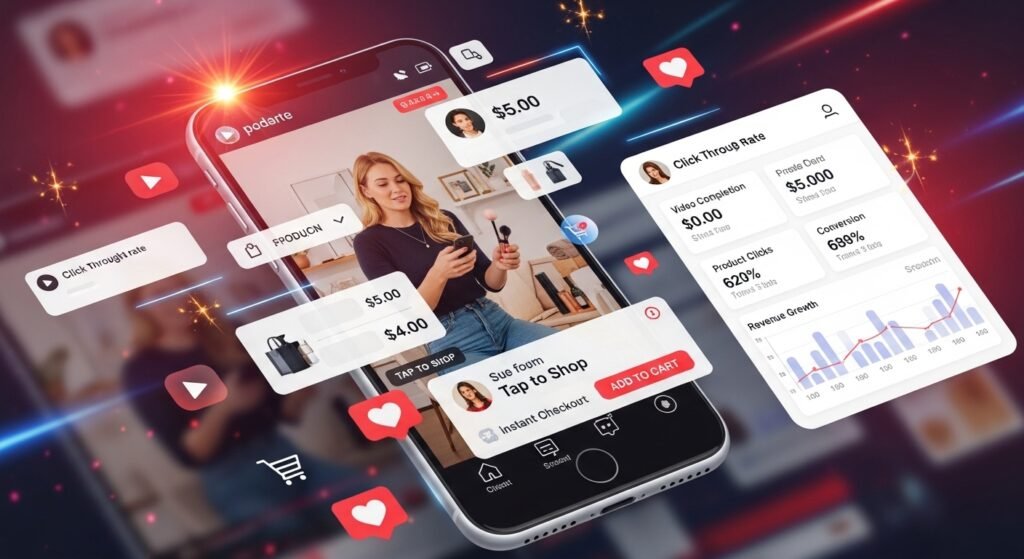
Introduction to Shoppable Video Ads
As a digital marketing strategist, I have witnessed the evolution of video advertising over the years. From simple display ads to interactive and immersive experiences, video advertising has come a long way. One of the most significant advancements in this space is the emergence of shoppable video ads. In this section, we will delve into the world of shoppable video ads, exploring what they are, how they work, and their potential to turn entertainment into sales.
Shoppable video ads are a type of video advertising that allows viewers to purchase products or services directly from the video itself. This is made possible through the use of interactive hotspots, overlays, or CTAs (calls-to-action) that are embedded within the video. These interactive elements enable viewers to click on the product they are interested in, and they are then redirected to a landing page or a checkout page where they can complete the purchase.
The concept of shoppable video ads is not new, but it has gained significant traction in recent years, thanks to the advancements in technology and the increasing popularity of video content. With the rise of social media platforms, video content has become an essential part of the marketing mix, and shoppable video ads have become an effective way to monetize this content. According to a recent study, shoppable video ads have shown a significant increase in conversion rates, with some brands reporting a boost of up to 30% in sales.
So, how do shoppable video ads work? The process is relatively straightforward. A brand creates a video ad that showcases their product or service, and then they add interactive elements to the video. These interactive elements can be in the form of hotspots, overlays, or CTAs that are embedded within the video. When a viewer clicks on one of these interactive elements, they are redirected to a landing page or a checkout page where they can complete the purchase. The entire process is seamless and frictionless, making it easy for viewers to buy the product they are interested in.
For example, let’s say a fashion brand creates a shoppable video ad that showcases their new collection of summer dresses. The video ad features models wearing the dresses, and the brand adds interactive hotspots to the video that allow viewers to click on the dress they like. When a viewer clicks on the hotspot, they are redirected to a landing page where they can purchase the dress. The landing page features detailed product information, pricing, and customer reviews, making it easy for the viewer to complete the purchase.
Another example is a beauty brand that creates a shoppable video ad that showcases their new line of skincare products. The video ad features a dermatologist explaining the benefits of the products, and the brand adds interactive overlays to the video that allow viewers to click on the product they are interested in. When a viewer clicks on the overlay, they are redirected to a checkout page where they can purchase the product. The checkout page features a secure payment gateway, making it easy for the viewer to complete the purchase.
The benefits of shoppable video ads are numerous. For one, they provide a seamless and frictionless shopping experience for viewers. By allowing viewers to purchase products directly from the video, shoppable video ads eliminate the need for viewers to leave the platform or visit a separate website. This reduces the risk of cart abandonment and increases the chances of conversion. Additionally, shoppable video ads provide brands with valuable insights into viewer behavior, allowing them to optimize their marketing campaigns and improve their ROI.
Some of the key benefits of shoppable video ads include:
- Increased conversion rates: Shoppable video ads have shown a significant increase in conversion rates, with some brands reporting a boost of up to 30% in sales.
- Improved customer experience: Shoppable video ads provide a seamless and frictionless shopping experience for viewers, making it easy for them to purchase products directly from the video.
- Increased brand awareness: Shoppable video ads provide brands with an opportunity to showcase their products or services in a engaging and interactive way, increasing brand awareness and reach.
- Valuable insights: Shoppable video ads provide brands with valuable insights into viewer behavior, allowing them to optimize their marketing campaigns and improve their ROI.
- Cost-effective: Shoppable video ads are a cost-effective way to reach and engage with target audiences, reducing the need for expensive TV commercials or print ads.
In conclusion, shoppable video ads are a powerful tool for brands looking to turn entertainment into sales. By providing a seamless and frictionless shopping experience, shoppable video ads increase conversion rates, improve customer experience, and provide valuable insights into viewer behavior. As a digital marketing strategist, I strongly recommend that brands consider incorporating shoppable video ads into their marketing mix, as they have the potential to drive significant revenue growth and improve brand awareness. In the next section, we will explore the different types of shoppable video ads and how they can be used to drive sales and revenue growth.
Key Components of Effective Shoppable Video Ads
As a digital marketing strategist, I have witnessed the evolution of video advertising, and one trend that has gained significant traction in recent years is shoppable video ads. These ads have revolutionized the way brands engage with their audience, turning entertainment into sales. However, creating effective shoppable video ads requires a combination of key components that work together seamlessly. In this section, we will delve into the essential elements that make up a successful shoppable video ad campaign.
To begin with, it is crucial to understand that shoppable video ads are designed to bridge the gap between entertainment and commerce. These ads aim to captivate the audience’s attention, build brand awareness, and ultimately drive sales. To achieve this, brands must focus on creating high-quality, engaging content that resonates with their target audience. This can be achieved by incorporating elements such as storytelling, humor, or inspiration, making the ad more relatable and memorable.
One of the primary components of effective shoppable video ads is clear and concise messaging. The ad should clearly communicate the value proposition, highlighting the key features and benefits of the product or service. This can be achieved through a combination of visuals, voiceovers, and text overlays. For instance, a fashion brand can create a shoppable video ad showcasing their latest collection, with models wearing the clothes and a voiceover highlighting the quality, comfort, and style of the garments. The ad can also include text overlays with prices, discounts, or promotions, making it easy for viewers to make a purchase.
Another critical component of shoppable video ads is interactive elements. These elements enable viewers to engage with the ad, exploring products, and making purchases without leaving the video platform. Interactive elements can include features such as hotspots, carousels, or quizzes, allowing viewers to interact with the ad in a more immersive way. For example, a beauty brand can create a shoppable video ad with a quiz that helps viewers find their perfect skincare routine. The quiz can include questions about skin type, concerns, and preferences, and based on the answers, the ad can recommend products and provide a direct link to purchase.
In addition to clear messaging and interactive elements, visual appeal is also essential for effective shoppable video ads. The ad should be visually stunning, with high-quality images, videos, or animations that capture the viewer’s attention. The visual appeal can be enhanced by incorporating elements such as music, sound effects, or graphics, making the ad more engaging and memorable. For instance, a travel brand can create a shoppable video ad showcasing a destination, with breathtaking visuals, captivating music, and inspiring voiceovers. The ad can include interactive elements such as hotspots, allowing viewers to explore the destination, book flights, or reserve hotels.
Furthermore, call-to-actions (CTAs) play a vital role in shoppable video ads, as they direct viewers to take a specific action, such as making a purchase, visiting a website, or signing up for a newsletter. CTAs should be clear, prominent, and actionable, making it easy for viewers to take the next step. For example, a retailer can create a shoppable video ad with a CTA such as “Shop Now” or “Get Exclusive Offers,” prompting viewers to visit their website or make a purchase.
To maximize the effectiveness of shoppable video ads, brands should also focus on targeting and personalization. By using data and analytics, brands can target specific audience segments, tailoring their messaging, and creative assets to resonate with each group. Personalization can be achieved through elements such as user-generated content, product recommendations, or special offers, making the ad more relevant and engaging. For instance, a fashion brand can create a shoppable video ad showcasing products based on the viewer’s purchase history, browsing behavior, or search queries.
Some of the key benefits of shoppable video ads include:
- Increased conversions: Shoppable video ads can drive sales, as viewers can make purchases directly from the ad.
- Enhanced engagement: Interactive elements and clear messaging can increase viewer engagement, making the ad more memorable and shareable.
- Improved brand awareness: Shoppable video ads can build brand awareness, as viewers are more likely to remember the ad and the brand.
- Better ROI: By targeting specific audience segments and personalizing the ad experience, brands can achieve a better return on investment (ROI) from their video ad campaigns.
- Increased customer insights: Shoppable video ads can provide valuable customer insights, such as purchase behavior, preferences, and interests, helping brands refine their marketing strategies.
In conclusion, creating effective shoppable video ads requires a combination of key components, including clear and concise messaging, interactive elements, visual appeal, call-to-actions, and targeting and personalization. By incorporating these elements, brands can turn entertainment into sales, driving conversions, engagement, and brand awareness. As a digital marketing strategist, I have seen firsthand the impact of shoppable video ads on a brand’s bottom line, and I believe that this format has the potential to revolutionize the way brands engage with their audience. By leveraging the power of shoppable video ads, brands can stay ahead of the competition, drive revenue growth, and build a loyal customer base.
Technical Requirements and Best Practices for Shoppable Video Ads
As a digital marketing strategist, I have witnessed the evolution of video advertising, and one of the most significant advancements in recent years is the rise of shoppable video ads. These interactive ads allow viewers to purchase products directly from the video, turning entertainment into sales. However, to create effective shoppable video ads, it is essential to understand the technical requirements and best practices involved.
From a technical standpoint, shoppable video ads require a combination of video production, e-commerce integration, and user experience design. The video ad must be engaging, informative, and include clear calls-to-action (CTAs) that encourage viewers to make a purchase. The e-commerce integration must be seamless, allowing viewers to click on the product and complete the purchase without leaving the video platform. The user experience design must be intuitive, providing a smooth and frictionless experience for the viewer.
Some of the key technical requirements for shoppable video ads include:
- Video format: The video ad must be in a format that can be played on various devices and platforms, such as MP4, AVI, or MOV.
- Resolution and quality: The video ad must be of high quality and resolution, such as 1080p or 4K, to ensure a good viewing experience.
- Audio and sound design: The audio and sound design must be clear and of high quality, with a clear and concise narration and background music that complements the video.
- E-commerce integration: The video ad must be integrated with an e-commerce platform, such as Shopify or WooCommerce, to allow viewers to make purchases directly from the video.
- CTAs and interactive elements: The video ad must include clear and prominent CTAs, such as “Buy Now” or “Learn More,” and interactive elements, such as hotspots or overlays, that encourage viewers to engage with the ad.
In addition to these technical requirements, there are also best practices that can help create effective shoppable video ads. Some of these best practices include:
- Keep it short and sweet: The video ad should be short and to the point, ideally between 15 seconds and 1 minute, to keep the viewer engaged and interested.
- Use high-quality visuals: The video ad should include high-quality visuals, such as product demonstrations or customer testimonials, to showcase the product and build trust with the viewer.
- Make it mobile-friendly: The video ad should be optimized for mobile devices, with a clear and easy-to-use interface that allows viewers to make purchases on their smartphones or tablets.
- Use social proof: The video ad should include social proof, such as customer reviews or ratings, to build trust and credibility with the viewer.
- Test and optimize: The video ad should be tested and optimized regularly, with analytics and performance data used to refine the ad and improve its effectiveness.
For example, a fashion brand could create a shoppable video ad that showcases its latest clothing collection. The ad could include high-quality visuals of the clothing, along with clear and prominent CTAs, such as “Buy Now” or “Learn More.” The ad could also include interactive elements, such as hotspots or overlays, that allow viewers to learn more about the products and make purchases directly from the video. By including social proof, such as customer reviews or ratings, the brand could build trust and credibility with the viewer, increasing the chances of making a sale.
Another example could be a beauty brand that creates a shoppable video ad that showcases its latest skincare products. The ad could include high-quality visuals of the products, along with clear and prominent CTAs, such as “Buy Now” or “Learn More.” The ad could also include interactive elements, such as hotspots or overlays, that allow viewers to learn more about the products and make purchases directly from the video. By including social proof, such as customer reviews or ratings, the brand could build trust and credibility with the viewer, increasing the chances of making a sale.
In conclusion, shoppable video ads are a powerful tool for turning entertainment into sales. By understanding the technical requirements and best practices involved, brands can create effective and engaging video ads that drive conversions and revenue. Whether it’s a fashion brand showcasing its latest clothing collection or a beauty brand showcasing its latest skincare products, shoppable video ads offer a unique and interactive way to connect with viewers and drive sales. As a digital marketing strategist, I recommend that brands consider incorporating shoppable video ads into their marketing strategy, as they offer a high level of engagement and conversion rates that can help drive business growth and revenue.
Furthermore, shoppable video ads can also be used in conjunction with other marketing channels, such as social media and email marketing, to create a seamless and integrated marketing experience. For example, a brand could create a shoppable video ad that is shared on social media platforms, such as Facebook and Instagram, and then follow up with email marketing campaigns that promote the products featured in the ad. By using shoppable video ads in conjunction with other marketing channels, brands can create a cohesive and effective marketing strategy that drives conversions and revenue.
In addition to the technical requirements and best practices, it’s also important to consider the analytics and performance data of shoppable video ads. By tracking metrics such as click-through rates, conversion rates, and return on investment (ROI), brands can refine their video ads and improve their effectiveness. For example, if a brand finds that its shoppable video ad is not driving the desired level of conversions, it can use analytics data to identify areas for improvement, such as the CTAs or interactive elements, and make adjustments to optimize the ad’s performance.
Overall, shoppable video ads offer a unique and effective way for brands to connect with viewers and drive sales. By understanding the technical requirements and best practices involved, and by using analytics and performance data to refine and optimize their ads, brands can create effective and engaging video ads that drive conversions and revenue. As a digital marketing strategist, I recommend that brands consider incorporating shoppable video ads into their marketing strategy, as they offer a high level of engagement and conversion rates that can help drive business growth and revenue.
Shoppable Video Ads and Their Impact on SEO and User Behavior
As a digital marketing strategist, I’ve witnessed the evolution of online advertising, and one trend that has caught my attention is the rise of shoppable video ads. These ads have revolutionized the way brands interact with their audience, turning entertainment into sales. In this section, we’ll delve into the world of shoppable video ads, exploring their impact on SEO and user behavior, and what this means for businesses looking to scale their online presence.
Shoppable video ads are a type of interactive advertising that allows viewers to purchase products or services directly from the video itself. This seamless shopping experience eliminates the need for users to leave the video platform, reducing friction and increasing the chances of conversion. By incorporating shoppable elements, such as tags, overlays, or end-screens, brands can create a more engaging and immersive experience for their audience.
The impact of shoppable video ads on SEO is multifaceted. On one hand, these ads can drive significant traffic to a website, increasing the chances of ranking higher in search engine results pages (SERPs). This is because search engines like Google take into account user behavior, such as time on site, bounce rate, and conversion rate, when determining the relevance and authority of a webpage. By providing a seamless shopping experience, shoppable video ads can improve these metrics, ultimately boosting a website’s SEO.
On the other hand, shoppable video ads can also affect SEO in a more indirect way. For instance, when users engage with shoppable video ads, they are more likely to share the content on social media, generating buzz and increasing brand awareness. This, in turn, can lead to more backlinks, social signals, and brand mentions, all of which are important ranking factors. Furthermore, shoppable video ads can also provide valuable insights into user behavior, such as purchase intent, preferences, and pain points, which can be used to inform SEO strategies and improve overall search visibility.
In terms of user behavior, shoppable video ads have been shown to have a significant impact on engagement and conversion rates. According to a study by Google, shoppable video ads can increase conversion rates by up to 20%, compared to traditional video ads. This is because shoppable video ads provide users with a sense of control and agency, allowing them to interact with the content in a more meaningful way. Additionally, shoppable video ads can also reduce cart abandonment rates, as users are more likely to complete a purchase when they can do so directly from the video.
So, how can businesses leverage shoppable video ads to drive sales and improve their online presence? Here are some key strategies to consider:
- Use high-quality, engaging video content: Shoppable video ads rely on high-quality, engaging video content to capture users’ attention and drive conversions. Invest in professional video production, and ensure that your content is optimized for mobile devices.
- Optimize for mobile: With the majority of video views taking place on mobile devices, it’s essential to optimize your shoppable video ads for mobile. This includes using vertical video, mobile-friendly overlays, and streamlined checkout processes.
- Use data and analytics to inform your strategy: Shoppable video ads provide a wealth of data and insights into user behavior, including purchase intent, preferences, and pain points. Use this data to inform your SEO strategies, improve your ad targeting, and optimize your video content for better performance.
- Integrate with social media and influencer marketing: Shoppable video ads can be a powerful tool for social media and influencer marketing campaigns. Partner with influencers to create sponsored content, and use shoppable video ads to drive sales and increase brand awareness.
- Provide a seamless shopping experience: The key to successful shoppable video ads is providing a seamless shopping experience. Ensure that your checkout process is streamlined, and that users can easily purchase products or services directly from the video.
Examples of successful shoppable video ad campaigns abound. For instance, MAC Cosmetics used shoppable video ads to drive sales and increase brand awareness during the holiday season. The campaign, which featured interactive video content and shoppable overlays, resulted in a 20% increase in sales and a 30% increase in brand awareness. Similarly, L’Oréal used shoppable video ads to promote its range of hair care products, resulting in a 25% increase in sales and a 40% increase in brand awareness.
In conclusion, shoppable video ads have the potential to revolutionize the way brands interact with their audience, turning entertainment into sales. By providing a seamless shopping experience, driving significant traffic to a website, and offering valuable insights into user behavior, shoppable video ads can have a significant impact on SEO and user behavior. As a digital marketing strategist, I recommend that businesses consider incorporating shoppable video ads into their marketing strategy, using high-quality video content, optimizing for mobile, and integrating with social media and influencer marketing campaigns. By doing so, businesses can drive sales, increase brand awareness, and improve their online presence in a competitive and ever-evolving digital landscape.
Future of Shoppable Video Ads and Emerging Trends
The world of digital marketing is constantly evolving, and one of the most significant trends that have gained traction in recent years is shoppable video ads. These ads have revolutionized the way brands interact with their customers, turning entertainment into sales and providing a seamless shopping experience. As a digital marketing strategist and SEO consultant, I have had the opportunity to work with several brands that have successfully leveraged shoppable video ads to boost their sales and revenue. In this section, we will delve into the future of shoppable video ads and explore the emerging trends that are shaping the industry.
Shoppable video ads have come a long way since their inception, and their popularity can be attributed to their ability to provide an immersive and engaging experience for customers. By allowing customers to purchase products directly from the video, brands can reduce the gap between discovery and purchase, making the shopping experience more convenient and streamlined. The future of shoppable video ads looks promising, with advanced technologies such as artificial intelligence (AI) and augmented reality (AR) set to play a significant role in enhancing the shopping experience.
One of the emerging trends in shoppable video ads is the use of influencer marketing. Influencers have become an essential part of digital marketing, and their role in promoting products through shoppable video ads is becoming increasingly important. By partnering with influencers, brands can reach a wider audience and build trust with their customers. For instance, a fashion brand can partner with a popular fashion influencer to create a shoppable video ad that showcases the latest clothing trends. The influencer can wear the clothes, provide styling tips, and include a call-to-action that allows viewers to purchase the products directly from the video.
Another trend that is gaining traction is the use of social commerce. Social media platforms such as Instagram, Facebook, and TikTok have become essential channels for brands to reach their customers, and shoppable video ads are playing a significant role in this regard. By using social commerce, brands can tag products directly in their videos, allowing customers to purchase them without leaving the platform. For example, a beauty brand can create a shoppable video ad on Instagram that showcases a new skincare product. The brand can tag the product in the video, and customers can purchase it by clicking on the tag and completing the transaction through the platform.
The use of interactive videos is also becoming increasingly popular. Interactive videos allow customers to engage with the content in a more immersive way, and they can be used to create a more personalized shopping experience. For instance, a home decor brand can create an interactive video that allows customers to design their own room. The video can provide a 360-degree view of the room, and customers can select different furniture and decor options to create their desired look. The brand can then provide a call-to-action that allows customers to purchase the selected products directly from the video.
In addition to these trends, personalization is also playing a significant role in shoppable video ads. Personalization involves using data and analytics to create targeted content that resonates with individual customers. By using personalization, brands can create shoppable video ads that are tailored to the specific needs and interests of their customers. For example, a brand can use data on a customer’s purchase history and browsing behavior to create a shoppable video ad that showcases products that are relevant to their interests. The brand can then use AI-powered algorithms to optimize the ad and ensure that it is delivered to the customer at the right time and on the right platform.
The benefits of shoppable video ads are numerous, and they can be summarized as follows:
- Increased conversions: Shoppable video ads can increase conversions by providing a seamless shopping experience and reducing the gap between discovery and purchase.
- Improved customer engagement: Shoppable video ads can improve customer engagement by providing an immersive and interactive experience that resonates with customers.
- Enhanced brand awareness: Shoppable video ads can enhance brand awareness by providing a platform for brands to showcase their products and tell their story in a compelling way.
- Better return on investment (ROI): Shoppable video ads can provide a better ROI by reducing the cost of customer acquisition and improving the efficiency of marketing campaigns.
To create effective shoppable video ads, brands need to focus on the following strategies:
- Develop a clear understanding of their target audience: Brands need to understand their target audience, including their needs, interests, and preferences.
- Create high-quality and engaging content: Brands need to create high-quality and engaging content that resonates with their target audience and provides value to their customers.
- Use advanced technologies such as AI and AR: Brands need to use advanced technologies such as AI and AR to enhance the shopping experience and provide a more immersive and interactive experience for their customers.
- Optimize their ads for mobile devices: Brands need to optimize their ads for mobile devices, as most customers use their smartphones to shop online.
In conclusion, the future of shoppable video ads looks promising, with emerging trends such as influencer marketing, social commerce, interactive videos, and personalization set to play a significant role in shaping the industry. By understanding these trends and developing effective strategies, brands can create shoppable video ads that provide a seamless shopping experience, improve customer engagement, and drive sales and revenue. As a digital marketing strategist and SEO consultant, I believe that shoppable video ads are an essential part of any digital marketing strategy, and brands that fail to leverage them risk being left behind in the competitive world of e-commerce.

Amit Tyagi is a seasoned Digital Marketing and SEO Consultant with extensive experience helping businesses improve online visibility through SEO, AI Search Optimization (AIO/GEO), content strategy, and performance marketing. He regularly shares practical insights, industry updates, and data-driven strategies, empowering brands and marketers to achieve sustainable digital growth in an evolving search landsca