
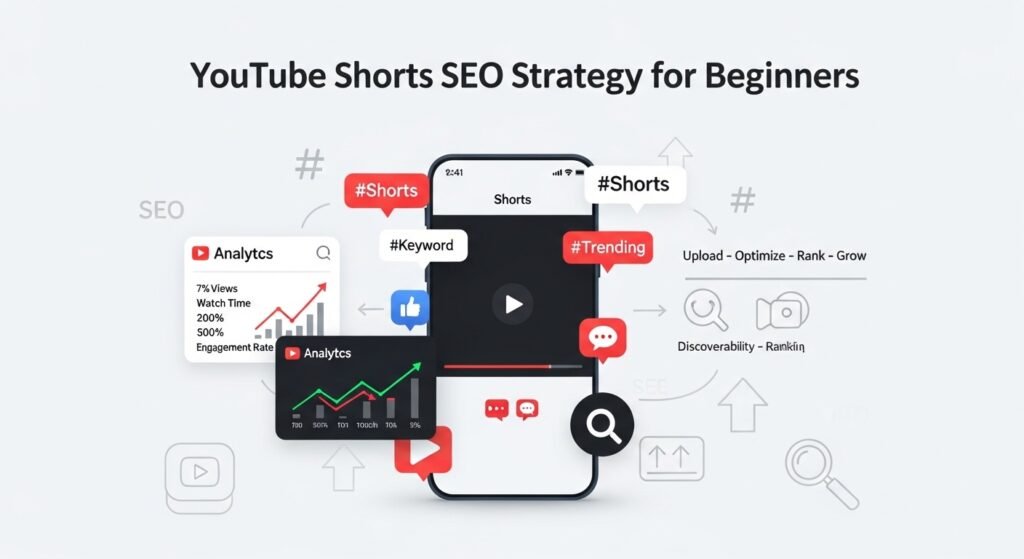
Introduction to YouTube Shorts SEO
As a digital marketing strategist and SEO consultant, I have witnessed the evolution of video content on YouTube and its impact on search engine optimization. The introduction of YouTube Shorts has revolutionized the way creators produce and consume content, and it has become essential for brands and individuals to develop a solid YouTube Shorts SEO strategy. In this section, we will delve into the world of YouTube Shorts SEO and explore the fundamentals of optimizing your short-form video content for maximum visibility and engagement.
YouTube Shorts are short-form videos that can be up to 60 seconds long, and they have become incredibly popular among users. With the rise of TikTok and Instagram Reels, YouTube has responded by introducing its own short-form video feature, which has gained immense traction. As a result, creators are now focusing on producing high-quality, engaging, and informative content that resonates with their audience. However, with the increasing competition on the platform, it has become crucial to optimize your YouTube Shorts for search engines to increase your visibility, reach, and engagement.
The primary goal of YouTube Shorts SEO is to increase your video’s visibility in search results, which can be achieved by using relevant keywords, tags, and descriptions. By optimizing your video content, you can improve your video’s ranking, drive more views, and ultimately increase your engagement and conversion rates. In this section, we will explore the key elements of YouTube Shorts SEO and provide you with a comprehensive guide on how to develop a winning strategy for your short-form video content.
To develop a successful YouTube Shorts SEO strategy, you need to understand how YouTube’s algorithm works. The algorithm takes into account various factors, including video content, engagement, audience retention, and relevance. By creating high-quality, engaging, and relevant content, you can increase your video’s visibility and reach a wider audience. Additionally, using relevant keywords, tags, and descriptions can help your video rank higher in search results, which can drive more views and engagement.
For example, let’s say you are a beauty influencer, and you create a YouTube Short on “Summer Makeup Tips.” To optimize your video for search engines, you can use relevant keywords like “summer makeup,” “beauty tips,” and “makeup tutorial” in your title, description, and tags. By doing so, you can increase your video’s visibility in search results and attract more views and engagement from users who are searching for similar content.
Another important aspect of YouTube Shorts SEO is audience engagement. YouTube’s algorithm takes into account engagement metrics, such as likes, comments, and shares, to determine the relevance and quality of your content. By encouraging your audience to engage with your video, you can increase your video’s visibility and reach a wider audience. For instance, you can ask your viewers to like and comment on your video, or you can ask them to share your video with their friends and family.
In addition to keyword optimization and audience engagement, video content is also a critical factor in YouTube Shorts SEO. Your video content should be high-quality, informative, and engaging, and it should provide value to your audience. By creating high-quality content, you can increase your video’s visibility, drive more views, and ultimately increase your engagement and conversion rates. For example, if you are a fitness influencer, you can create a YouTube Short on “Home Workout Routines” that provides valuable information and tips to your audience.
To further illustrate the importance of video content in YouTube Shorts SEO, let’s consider the following example. Suppose you are a travel vlogger, and you create a YouTube Short on “Top 5 Travel Destinations in Europe.” To make your video content more engaging and informative, you can include high-quality footage, animations, and graphics that provide valuable information to your audience. By doing so, you can increase your video’s visibility, drive more views, and ultimately increase your engagement and conversion rates.
In conclusion, YouTube Shorts SEO is a critical aspect of video marketing, and it requires a deep understanding of YouTube’s algorithm, keyword optimization, audience engagement, and video content. By developing a solid YouTube Shorts SEO strategy, you can increase your video’s visibility, drive more views, and ultimately increase your engagement and conversion rates. In the next section, we will explore the key elements of YouTube Shorts SEO in more detail and provide you with a comprehensive guide on how to develop a winning strategy for your short-form video content.
Some of the key elements of YouTube Shorts SEO include:
- Keyword research and optimization: Conducting thorough keyword research to identify relevant keywords and phrases that your target audience is searching for, and optimizing your video title, description, and tags with those keywords.
- Video content optimization: Creating high-quality, informative, and engaging video content that provides value to your audience and resonates with your brand.
- Audience engagement: Encouraging your audience to engage with your video by asking them to like, comment, and share your content.
- Video promotion: Promoting your video on social media, blogs, and other online platforms to increase its visibility and reach a wider audience.
- Analytics and tracking: Using YouTube Analytics to track your video’s performance, engagement, and conversion rates, and adjusting your strategy accordingly.
By incorporating these elements into your YouTube Shorts SEO strategy, you can increase your video’s visibility, drive more views, and ultimately achieve your marketing goals. In the next section, we will explore each of these elements in more detail and provide you with tips and best practices for optimizing your YouTube Shorts for search engines.
As a digital marketing strategist and SEO consultant, I have worked with numerous brands and individuals to develop and implement effective YouTube Shorts SEO strategies. By leveraging my expertise and experience, you can gain a deeper understanding of YouTube Shorts SEO and develop a winning strategy that drives real results for your business. Whether you are a seasoned marketer or just starting out, this guide will provide you with the knowledge and insights you need to succeed in the world of YouTube Shorts SEO.
In addition to the key elements of YouTube Shorts SEO, it’s also important to stay up-to-date with the latest trends and best practices in the industry. YouTube’s algorithm is constantly evolving, and what works today may not work tomorrow. By staying informed and adapting to changes in the algorithm, you can stay ahead of the competition and achieve your marketing goals. Some of the latest trends in YouTube Shorts SEO include the use of AI-powered video optimization tools, the importance of mobile-friendliness, and the role of social media in video promotion.
For example, AI-powered video optimization tools can help you analyze your video content and provide recommendations for improvement. These tools can analyze your video’s audio, visuals, and metadata, and provide insights on how to optimize your video for better performance. By leveraging these tools, you can gain a competitive edge and improve your video’s visibility and engagement.
Another important trend in YouTube Shorts SEO is the importance of mobile-friendliness. With the majority of YouTube users accessing the platform on their mobile devices, it’s essential to ensure that your video content is optimized for mobile. This includes using vertical video formats, optimizing your video’s audio and visuals for mobile, and ensuring that your video’s metadata is accurate and up-to-date.
In conclusion, YouTube Shorts SEO is a complex and constantly evolving field that requires a deep understanding of YouTube’s algorithm, keyword optimization, audience engagement, and video content. By developing a solid YouTube Shorts SEO strategy and staying up-to-date with the latest trends and best practices, you can increase your video’s visibility, drive more views, and ultimately achieve your marketing goals. In the next section, we will explore the key elements of YouTube Shorts SEO in more detail and provide you with a comprehensive guide on how to develop a winning strategy for your short-form video content.
Understanding YouTube Shorts Algorithm and Ranking Factors
As a digital marketing strategist and SEO consultant, I have seen the rise of YouTube Shorts as a game-changer in the world of video content. With its short-form video format, YouTube Shorts has become a popular platform for creators to showcase their talent, share their knowledge, and entertain their audience. However, with the increasing competition on the platform, it’s essential to understand the YouTube Shorts algorithm and ranking factors to increase your visibility and reach a wider audience. In this section, we will delve into the world of YouTube Shorts algorithm and explore the key ranking factors that can help you optimize your content and improve your search rankings.
The YouTube Shorts algorithm is a complex system that takes into account various factors to rank videos in search results. While the exact algorithm is not publicly disclosed, we can break it down into several key components that contribute to a video’s ranking. These components include relevance, engagement, watch time, audience retention, and technical factors. Understanding these components and how they interact with each other is crucial to developing an effective YouTube Shorts SEO strategy.
Let’s take a closer look at each of these components and explore how they impact your video’s ranking. Relevance refers to how well your video matches the search query. This includes factors such as the title, description, and tags. For example, if you create a video about “summer fashion trends” and someone searches for “summer outfit ideas,” your video is likely to rank higher if it’s relevant to the search query. To optimize for relevance, make sure your title, description, and tags accurately reflect the content of your video.
Engagement is another critical factor that contributes to your video’s ranking. This includes likes, comments, shares, and other interactions with your audience. Videos with high engagement are more likely to rank higher in search results because they indicate that the content is valuable and resonates with the audience. To increase engagement, encourage your viewers to like, comment, and share your videos by asking questions, hosting Q&A sessions, or asking for feedback.
Watch time is also an essential factor that affects your video’s ranking. This refers to the amount of time viewers spend watching your video. Videos with higher watch times are more likely to rank higher because they indicate that the content is engaging and holds the viewer’s attention. To increase watch time, make sure your video is informative, entertaining, and well-structured. You can also use techniques such as cliffhangers, teasers, or surprises to keep your viewers engaged and curious.
In addition to these factors, audience retention is also critical to your video’s ranking. This refers to the ability of your video to hold the viewer’s attention throughout the video. Videos with high audience retention are more likely to rank higher because they indicate that the content is engaging and relevant to the audience. To improve audience retention, make sure your video is well-structured, easy to follow, and provides value to the viewer. You can also use techniques such as storytelling, anecdotes, or examples to make your content more engaging and relatable.
Finally, technical factors such as video quality, sound quality, and optimization for mobile devices also play a crucial role in your video’s ranking. Make sure your video is high-quality, well-produced, and optimized for mobile devices to improve your ranking. You can also use tools such as YouTube Analytics to track your video’s performance and identify areas for improvement.
To illustrate the importance of these ranking factors, let’s consider an example. Suppose you create a video about “DIY home decor ideas” and optimize it for relevance, engagement, watch time, audience retention, and technical factors. You use relevant keywords in your title, description, and tags, and you encourage your viewers to like, comment, and share your video. You also make sure your video is well-structured, easy to follow, and provides value to the viewer. As a result, your video starts to rank higher in search results, and you notice an increase in views, engagement, and audience retention.
Here are some key takeaways to keep in mind when optimizing your YouTube Shorts for ranking factors:
- Use relevant keywords in your title, description, and tags to optimize for relevance.
- Encourage engagement by asking questions, hosting Q&A sessions, or asking for feedback.
- Make sure your video is well-structured, easy to follow, and provides value to the viewer to increase watch time and audience retention.
- Optimize your video for mobile devices and ensure it’s high-quality and well-produced to improve technical factors.
- Use tools such as YouTube Analytics to track your video’s performance and identify areas for improvement.
By understanding the YouTube Shorts algorithm and ranking factors, you can develop an effective SEO strategy that helps you increase your visibility, reach a wider audience, and drive more traffic to your channel. Remember to stay up-to-date with the latest trends and best practices in YouTube Shorts SEO, and continually optimize and refine your strategy to achieve better results. In the next section, we will explore how to optimize your YouTube Shorts for relevance, engagement, and watch time, and provide tips and techniques for improving your video’s ranking and performance.
Optimizing YouTube Shorts for SEO
As a digital marketing strategist and SEO consultant, I have witnessed the rise of YouTube Shorts as a powerful platform for creators to showcase their content. With its short-form video format, YouTube Shorts has become an essential platform for businesses and individuals to reach their target audience. However, to maximize the potential of YouTube Shorts, it is crucial to optimize your content for search engine optimization (SEO). In this section, we will delve into the world of YouTube Shorts SEO and explore the strategies that can help beginners optimize their content for better visibility and reach.
YouTube Shorts are short-form videos that can be up to 60 seconds long. They are designed to be concise, engaging, and easy to consume. To optimize your YouTube Shorts for SEO, you need to focus on several key factors, including keyword research, title and description optimization, thumbnail creation, and engagement. Let’s break down each of these factors and explore how you can use them to improve your YouTube Shorts SEO.
First and foremost, keyword research is essential for optimizing your YouTube Shorts for SEO. You need to identify the right keywords and phrases that your target audience is searching for. You can use tools like Google Keyword Planner, Ahrefs, or SEMrush to conduct keyword research. For example, if you are creating a YouTube Short about a new fashion trend, you can use keywords like “summer fashion trends” or “latest fashion must-haves.” Once you have identified your keywords, you can incorporate them into your title, description, and tags.
When it comes to title and description optimization, you need to make sure that your title and description are accurate, descriptive, and attention-grabbing. Your title should be no more than 100 characters long, and it should include your target keyword. Your description should be no more than 150 characters long, and it should provide a brief summary of your video content. For example, if your YouTube Short is about a new fashion trend, your title could be “Summer Fashion Trends 2024” and your description could be “Get ready for the latest summer fashion trends. From statement sleeves to bold prints, we’ve got you covered.”
In addition to title and description optimization, thumbnail creation is also crucial for optimizing your YouTube Shorts for SEO. Your thumbnail should be eye-catching, visually appealing, and relevant to your video content. You can use tools like Canva or Adobe Creative Cloud to create your thumbnail. For example, if your YouTube Short is about a new fashion trend, your thumbnail could be an image of a model wearing a trendy outfit. You can also add text overlays to your thumbnail to make it more engaging and attention-grabbing.
Engagement is also a critical factor in optimizing your YouTube Shorts for SEO. You need to encourage your viewers to engage with your content by liking, commenting, and sharing your videos. You can do this by asking questions, requesting feedback, or hosting Q&A sessions. For example, if your YouTube Short is about a new fashion trend, you can ask your viewers to share their favorite fashion trends in the comments section. You can also use hashtags to increase engagement and reach a wider audience.
Another important factor in optimizing your YouTube Shorts for SEO is consistency. You need to regularly post high-quality content to keep your audience engaged and coming back for more. You can use a content calendar to plan and schedule your content in advance. For example, if you are creating a series of YouTube Shorts about fashion trends, you can post a new video every week to keep your audience engaged and interested.
Furthermore, you can use analytics tools to track your performance and adjust your strategy accordingly. YouTube Analytics provides a wealth of information about your viewers, including their demographics, engagement, and watch time. You can use this information to refine your content strategy and optimize your YouTube Shorts for better performance. For example, if you notice that your viewers are mostly female and between the ages of 25-34, you can create content that is more targeted to this demographic.
To take your YouTube Shorts SEO to the next level, you can also use advanced strategies such as keyword clustering and entity-based optimization. Keyword clustering involves grouping related keywords and phrases together to create a comprehensive content strategy. Entity-based optimization involves optimizing your content for specific entities, such as people, places, and things. For example, if you are creating a YouTube Short about a new fashion trend, you can optimize your content for entities such as “fashion designers” or “fashion brands.”
Here are some additional tips to help you optimize your YouTube Shorts for SEO:
- Use relevant keywords in your title, description, and tags to help your video rank higher in search results.
- Create high-quality thumbnails that are visually appealing and relevant to your video content.
- Encourage engagement by asking questions, requesting feedback, or hosting Q&A sessions.
- Use hashtags to increase engagement and reach a wider audience.
- Post consistent content to keep your audience engaged and coming back for more.
- Use analytics tools to track your performance and adjust your strategy accordingly.
In conclusion, optimizing your YouTube Shorts for SEO requires a combination of keyword research, title and description optimization, thumbnail creation, engagement, consistency, and analytics. By following these strategies and tips, you can improve your YouTube Shorts’ visibility, reach, and engagement. Remember to stay up-to-date with the latest SEO trends and best practices to ensure that your YouTube Shorts are always optimized for maximum performance.
As a digital marketing strategist and SEO consultant, I have seen firsthand the impact that optimized YouTube Shorts can have on a business or individual’s online presence. By investing time and effort into optimizing your YouTube Shorts for SEO, you can increase your online visibility, drive more traffic to your website, and ultimately boost your revenue. So, if you’re looking to take your YouTube Shorts to the next level, start by implementing these SEO strategies and watch your online presence soar.
Promoting and Distributing YouTube Shorts for Maximum Visibility
As a digital marketing strategist and SEO consultant, I have seen the rise of YouTube Shorts as a powerful tool for brands and creators to reach their target audience. With the increasing competition on the platform, it’s essential to have a solid promoting and distributing strategy to maximize the visibility of your YouTube Shorts. In this section, we will discuss the importance of promoting and distributing YouTube Shorts and provide actionable tips to help you get started.
Promoting and distributing YouTube Shorts is crucial to increase their visibility, engagement, and ultimately, their ranking on the platform. By promoting your Shorts, you can reach a broader audience, drive more traffic to your channel, and increase your chances of going viral. Moreover, distributing your Shorts on other platforms can help you tap into new audiences, build your brand awareness, and drive more sales.
So, how can you promote and distribute your YouTube Shorts for maximum visibility? Here are some strategies to consider:
- Optimize your Shorts for YouTube’s algorithm: Before promoting and distributing your Shorts, make sure they are optimized for YouTube’s algorithm. This includes using relevant keywords, tags, and descriptions, as well as creating high-quality, engaging, and informative content.
- Use social media platforms: Share your Shorts on other social media platforms like Instagram, TikTok, Twitter, and Facebook to reach a broader audience. You can also use paid social media advertising to increase your reach and engagement.
- Collaborate with other creators: Collaborate with other creators in your niche to reach new audiences and build your brand awareness. You can collaborate on Shorts, participate in challenges, or even host a live stream together.
- Engage with your audience: Engage with your audience by responding to comments, answering questions, and using hashtags to increase your visibility. You can also use YouTube’s community features, such as polls and live streams, to engage with your audience and build a loyal following.
- Utilize email marketing: If you have an email list, use it to promote your Shorts and drive traffic to your channel. You can include a link to your Short in your email newsletter or create a dedicated email campaign to promote your Shorts.
Another effective way to promote and distribute your YouTube Shorts is to use paid advertising. YouTube offers a range of advertising options, including video ads, display ads, and sponsored content. You can use these options to reach a broader audience, increase your visibility, and drive more traffic to your channel.
For example, let’s say you’re a fashion brand, and you’ve created a Short showcasing your new summer collection. You can use YouTube’s video ads to target users who are interested in fashion, beauty, and lifestyle. You can also use display ads to reach users who are browsing websites and apps related to fashion and beauty. By using paid advertising, you can increase your reach, engagement, and conversions, and ultimately drive more sales.
In addition to promoting and distributing your Shorts on YouTube and other social media platforms, you can also use other channels to reach your target audience. For example, you can embed your Shorts on your website or blog, share them on messaging apps like WhatsApp and Telegram, or even use them in your sales funnels and marketing campaigns.
Embedding your Shorts on your website or blog can help you increase your website traffic, engagement, and conversions. You can use YouTube’s embed code to add your Shorts to your website or blog, and customize the player to match your brand’s style and design. For example, let’s say you’re a fitness brand, and you’ve created a Short showcasing a new workout routine. You can embed the Short on your website or blog, and use it to promote your fitness programs and products.
Sharing your Shorts on messaging apps like WhatsApp and Telegram can help you reach your target audience and drive more engagement. You can share your Shorts directly with your contacts, or use messaging apps to promote your Shorts and drive traffic to your channel. For example, let’s say you’re a beauty brand, and you’ve created a Short showcasing a new makeup tutorial. You can share the Short on WhatsApp and Telegram, and use it to promote your beauty products and services.
Using your Shorts in your sales funnels and marketing campaigns can help you increase your conversions and drive more sales. You can use your Shorts to promote your products and services, build your brand awareness, and establish your authority in your niche. For example, let’s say you’re a software company, and you’ve created a Short showcasing your new product features. You can use the Short in your sales funnel to promote your product, build trust with your target audience, and drive more sales.
In conclusion, promoting and distributing YouTube Shorts is crucial to increase their visibility, engagement, and ranking on the platform. By optimizing your Shorts for YouTube’s algorithm, using social media platforms, collaborating with other creators, engaging with your audience, and utilizing email marketing, you can increase your reach, engagement, and conversions. Additionally, using paid advertising, embedding your Shorts on your website or blog, sharing them on messaging apps, and using them in your sales funnels and marketing campaigns can help you tap into new audiences, build your brand awareness, and drive more sales. As a digital marketing strategist and SEO consultant, I recommend that you experiment with different promoting and distributing strategies to find what works best for your brand and audience.
By following these tips and strategies, you can maximize the visibility of your YouTube Shorts, increase your online presence, and drive more sales. Remember, promoting and distributing YouTube Shorts is an ongoing process that requires consistent effort and optimization. Stay up-to-date with the latest trends and best practices, and continuously monitor and adjust your promoting and distributing strategy to achieve your goals.
As you start promoting and distributing your YouTube Shorts, keep in mind that it’s essential to track your performance and analytics to see what’s working and what’s not. YouTube provides a range of analytics tools that can help you track your Shorts’ performance, including views, engagement, and earnings. You can use these tools to identify areas for improvement, adjust your promoting and distributing strategy, and optimize your Shorts for better performance.
For example, let’s say you’ve created a Short that has received a lot of views and engagement, but it’s not driving any sales. You can use YouTube’s analytics tools to identify the issue and adjust your promoting and distributing strategy accordingly. You can try changing your title, description, or tags, or experimenting with different advertising options to see what works best for your brand and audience.
In addition to using YouTube’s analytics tools, you can also use other tools and software to track your Shorts’ performance and optimize your promoting and distributing strategy. For example, you can use social media management tools like Hootsuite or Buffer to schedule and track your Shorts’ performance on other social media platforms. You can also use SEO tools like Ahrefs or SEMrush to track your Shorts’ ranking and optimize your title, description, and tags for better search engine optimization.
By using these tools and strategies, you can maximize the visibility of your YouTube Shorts, increase your online presence, and drive more sales. Remember, promoting and distributing YouTube Shorts is a continuous process that requires ongoing effort and optimization. Stay up-to-date with the latest trends and best practices, and continuously monitor and adjust your promoting and distributing strategy to achieve your goals.
Measuring and Optimizing YouTube Shorts Performance
As a digital marketing strategist and SEO consultant, I have worked with numerous brands to help them scale their online presence and drive revenue through advanced SEO frameworks and performance-driven digital strategies. When it comes to YouTube Shorts, measuring and optimizing performance is crucial to ensure that your content reaches its target audience and achieves its desired goals. In this section, we will delve into the importance of measuring and optimizing YouTube Shorts performance, and provide actionable tips and strategies to help you get the most out of your YouTube Shorts SEO strategy.
To start, it’s essential to understand that YouTube Shorts are a relatively new feature, and as such, the platform is still evolving and refining its algorithms to optimize the user experience. However, one thing is certain: engagement metrics play a critical role in determining the success of your YouTube Shorts. These metrics include likes, comments, shares, and watch time, among others. By tracking these metrics, you can gain valuable insights into how your audience is interacting with your content and make data-driven decisions to optimize your strategy.
So, how can you measure the performance of your YouTube Shorts? The answer lies in YouTube Analytics. This powerful tool provides a wealth of data and insights into your channel’s performance, including metrics such as views, engagement, earnings, and audience retention. By leveraging YouTube Analytics, you can identify areas of strength and weakness in your YouTube Shorts strategy and make adjustments accordingly. For example, if you notice that your Shorts are receiving a high number of views but low engagement, you may need to revisit your content strategy and focus on creating more engaging and interactive content.
In addition to YouTube Analytics, there are several other tools and metrics that you can use to measure the performance of your YouTube Shorts. These include:
- Google Analytics: This tool provides a more comprehensive view of your website’s traffic and engagement, allowing you to track the impact of your YouTube Shorts on your overall online presence.
- Social media listening tools: These tools enable you to track mentions of your brand and keywords related to your YouTube Shorts, providing valuable insights into how your audience is interacting with your content on social media.
- SEO tools: Tools such as Ahrefs, SEMrush, and Moz can help you track your YouTube Shorts’ keyword rankings, backlinks, and other SEO metrics, providing a more complete picture of your content’s performance.
Now that we’ve covered the importance of measuring YouTube Shorts performance, let’s talk about optimization. Optimizing your YouTube Shorts involves making adjustments to your content and strategy to improve its performance and reach a wider audience. This can include a range of tactics, from keyword research and on-page optimization to audience engagement and collaboration with other creators. By optimizing your YouTube Shorts, you can increase their visibility, engagement, and earnings, and drive more traffic to your website or other online platforms.
So, how can you optimize your YouTube Shorts for better performance? Here are a few actionable tips to get you started:
- Conduct keyword research: Use tools such as Google Keyword Planner or Ahrefs to identify relevant keywords and phrases that your target audience is searching for. Incorporate these keywords into your YouTube Shorts’ titles, descriptions, and tags to improve their visibility in search results.
- Optimize your thumbnails: Your thumbnail is the first thing that viewers will see when they come across your YouTube Short, so make sure it’s eye-catching and relevant to your content. Use high-quality images, bright colors, and clear text to make your thumbnail stand out.
- Use attention-grabbing titles: Your title should be descriptive, attention-grabbing, and optimized for keywords. Use action verbs, questions, or statements that create curiosity to entice viewers to click on your YouTube Short.
- Engage with your audience: Respond to comments, answer questions, and interact with your viewers to build a loyal community around your YouTube Shorts. This will help increase engagement, boost your video’s visibility, and drive more traffic to your website or other online platforms.
In conclusion, measuring and optimizing YouTube Shorts performance is a critical component of any successful YouTube Shorts SEO strategy. By tracking engagement metrics, leveraging YouTube Analytics and other tools, and optimizing your content and strategy, you can increase your YouTube Shorts’ visibility, engagement, and earnings, and drive more traffic to your website or other online platforms. As a digital marketing strategist and SEO consultant, I have seen firsthand the impact that a well-executed YouTube Shorts SEO strategy can have on a brand’s online presence and revenue. By following the tips and strategies outlined in this section, you can unlock the full potential of your YouTube Shorts and take your online marketing efforts to the next level.
For example, let’s say you’re a fashion brand that wants to promote its new summer collection through YouTube Shorts. You create a series of Shorts that showcase your latest designs, and use relevant keywords such as “summer fashion” and “new arrivals” in your titles, descriptions, and tags. You also optimize your thumbnails to feature high-quality images of your clothing, and use attention-grabbing titles such as “Get Ready for Summer with Our Latest Fashion Must-Haves!” By tracking your engagement metrics and adjusting your strategy accordingly, you can increase your YouTube Shorts’ visibility, drive more traffic to your website, and boost sales of your summer collection.
Another example is a fitness brand that wants to promote its new workout program through YouTube Shorts. The brand creates a series of Shorts that showcase its trainers and clients, and uses relevant keywords such as “fitness motivation” and “workout inspiration” in its titles, descriptions, and tags. The brand also optimizes its thumbnails to feature high-energy images of its trainers and clients in action, and uses attention-grabbing titles such as “Transform Your Body in Just 30 Days with Our Proven Workout Program!” By engaging with its audience, responding to comments, and providing valuable content, the brand can build a loyal community around its YouTube Shorts, drive more traffic to its website, and increase sales of its workout program.
In both of these examples, the brands are using YouTube Shorts to promote their products and services, engage with their audience, and drive traffic to their website. By measuring and optimizing their YouTube Shorts performance, they can refine their strategy, improve their results, and achieve their marketing goals. As a digital marketing strategist and SEO consultant, I recommend that all brands consider incorporating YouTube Shorts into their online marketing strategy, and use the tips and strategies outlined in this section to optimize their performance and achieve success.

Amit Tyagi is a seasoned Digital Marketing and SEO Consultant with extensive experience helping businesses improve online visibility through SEO, AI Search Optimization (AIO/GEO), content strategy, and performance marketing. He regularly shares practical insights, industry updates, and data-driven strategies, empowering brands and marketers to achieve sustainable digital growth in an evolving search landsca