
Introduction to Festival Marketing in India
As a digital marketing strategist and SEO consultant, I, Amit Tyagi, have had the privilege of working with numerous brands in India, helping them navigate the complex and diverse landscape of festival marketing. With a rich cultural heritage and a plethora of festivals celebrated throughout the year, India presents a unique opportunity for brands to connect with their target audience and create lasting impressions. In this section, we will delve into the world of festival marketing in India, exploring the significance of festivals in the country, the benefits of festival marketing, and the importance of having a well-planned festival marketing strategy in place.
India is a country that is deeply rooted in its cultural and traditional values, and festivals play a vital role in shaping the nation’s identity. From the vibrant colors of Holi to the majestic lights of Diwali, each festival in India is a testament to the country’s rich cultural diversity. With over 1.3 billion people celebrating various festivals throughout the year, the potential for brands to reach and engage with their target audience is immense. However, with so many festivals and celebrations taking place, it can be challenging for brands to stand out and make a lasting impact.
A well-planned festival marketing strategy can help brands overcome this challenge and achieve their marketing objectives. By understanding the significance of each festival and the values associated with it, brands can create targeted marketing campaigns that resonate with their audience. For instance, during the festival of Raksha Bandhan, which celebrates the bond between brothers and sisters, brands can launch campaigns that highlight the importance of sibling relationships and the role their products or services play in strengthening these bonds. Similarly, during the festival of Navratri, which is a celebration of the divine feminine, brands can launch campaigns that empower women and promote their products or services as a means of self-expression and independence.
Festival marketing in India is not just about launching a campaign during a festival; it’s about understanding the cultural context and values associated with each festival and using that knowledge to create meaningful connections with the target audience. It’s about being sensitive to the cultural nuances and traditions of the country and using that sensitivity to create marketing campaigns that are both effective and respectful. In the following sections, we will explore the 2026 calendar guide for festival marketing in India, highlighting the key festivals and celebrations that brands should be aware of and providing tips and strategies for creating successful festival marketing campaigns.
To create a successful festival marketing strategy in India, brands need to have a deep understanding of the country’s cultural landscape and the values associated with each festival. This requires a significant amount of research and planning, as well as a willingness to be creative and innovative in their marketing approach. Some of the key factors that brands should consider when developing a festival marketing strategy in India include:
- Understanding the cultural significance of each festival and the values associated with it
- Identifying the target audience and their preferences and behaviors during each festival
- Developing marketing campaigns that are sensitive to the cultural nuances and traditions of the country
- Using social media and other digital channels to reach and engage with the target audience
- Creating content that is both informative and entertaining, and that resonates with the target audience
- Measuring and evaluating the effectiveness of festival marketing campaigns and making adjustments as needed
By considering these factors and developing a well-planned festival marketing strategy, brands can increase their chances of success in the Indian market and create lasting impressions with their target audience. In the next section, we will explore the 2026 calendar guide for festival marketing in India, highlighting the key festivals and celebrations that brands should be aware of and providing tips and strategies for creating successful festival marketing campaigns.
The key to successful festival marketing in India is to be authentic and respectful of the country’s cultural heritage. Brands that are able to tap into the cultural values and traditions of the country and use that knowledge to create meaningful connections with their target audience are more likely to succeed in the Indian market. By understanding the significance of each festival and the values associated with it, brands can create marketing campaigns that are both effective and respectful, and that resonate with their target audience.
In conclusion, festival marketing in India is a complex and challenging task that requires a deep understanding of the country’s cultural landscape and the values associated with each festival. By developing a well-planned festival marketing strategy and being sensitive to the cultural nuances and traditions of the country, brands can increase their chances of success in the Indian market and create lasting impressions with their target audience. In the following sections, we will explore the 2026 calendar guide for festival marketing in India, providing tips and strategies for creating successful festival marketing campaigns and highlighting the key festivals and celebrations that brands should be aware of.
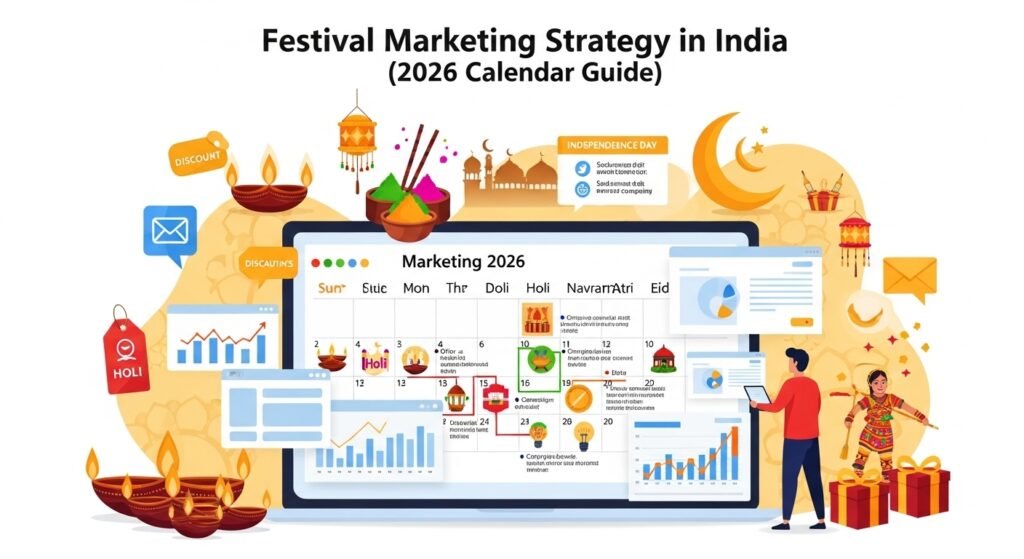
Understanding the Indian Festival Calendar (2026)
As a digital marketing strategist and SEO consultant, I, Amit Tyagi, have often emphasized the importance of understanding the cultural and social landscape of a country to devise effective marketing strategies. In India, where festivals are an integral part of the social fabric, having a deep understanding of the festival calendar can help brands connect with their target audience and create memorable experiences. In this section, we will delve into the Indian festival calendar for 2026, highlighting key festivals, their significance, and how brands can leverage them to boost their marketing efforts.
The Indian festival calendar is a vibrant and diverse tapestry, with numerous festivals celebrated across the country throughout the year. These festivals offer a unique opportunity for brands to engage with their audience, build brand awareness, and drive sales. To create a successful festival marketing strategy, it is essential to understand the significance of each festival, the demographics of the target audience, and the most effective marketing channels to reach them.
In 2026, the Indian festival calendar is packed with exciting events, ranging from traditional Hindu festivals like Diwali and Holi to regional celebrations like Pongal and Onam. Each festival has its unique traditions, customs, and cultural significance, offering brands a chance to showcase their creativity and connect with their audience on a deeper level. For instance, during the festival of Diwali, brands can launch special promotions, discounts, and advertising campaigns that resonate with the spirit of the festival, which is about light, prosperity, and new beginnings.
To illustrate the importance of understanding the Indian festival calendar, let’s consider the example of a leading e-commerce brand that launched a targeted marketing campaign during the festival of Navratri in 2025. The campaign, which included special discounts, free shipping, and gift wraps, resulted in a significant increase in sales and brand engagement. The brand’s ability to understand the cultural significance of the festival and tailor its marketing efforts accordingly helped it connect with its target audience and achieve remarkable results.
Some of the key festivals in the Indian calendar for 2026 include:
- Magh Bihu (January 15, 2026): A harvest festival celebrated in Assam, which marks the beginning of the new year and is an opportunity for brands to launch new products or services.
- Republic Day (January 26, 2026): A national holiday that commemorates the adoption of the Indian Constitution, offering brands a chance to showcase their patriotic spirit and values.
- Holi (March 10, 2026): A festival of colors, which is an ideal opportunity for brands to launch vibrant and playful marketing campaigns that appeal to a younger audience.
- Ram Navami (April 4, 2026): A Hindu festival that celebrates the birth of Lord Rama, which can be leveraged by brands to promote products or services that resonate with the values of the festival, such as spirituality and devotion.
- Eid-al-Fitr (May 2, 2026): A significant festival in the Islamic calendar, which marks the end of Ramadan and is an opportunity for brands to connect with their Muslim audience and promote products or services that cater to their needs.
By understanding the cultural significance of these festivals and tailoring their marketing efforts accordingly, brands can create effective festival marketing strategies that resonate with their target audience and drive business results. In the next section, we will explore how brands can leverage digital marketing channels to maximize their festival marketing efforts and achieve remarkable results.
As we navigate the Indian festival calendar in 2026, it is essential to keep in mind that each festival offers a unique opportunity for brands to connect with their audience and build brand awareness. By leveraging the power of festivals, brands can create memorable experiences, drive sales, and establish a strong emotional connection with their target audience. Whether it’s through social media campaigns, influencer partnerships, or targeted advertising, the key to success lies in understanding the cultural significance of each festival and tailoring marketing efforts to resonate with the spirit of the occasion.
Furthermore, brands can also use festivals as an opportunity to showcase their social responsibility and commitment to giving back to the community. For instance, during the festival of Diwali, brands can launch special initiatives that promote sustainability, environmental conservation, or social welfare, which can help build a positive brand image and reinforce their values. By doing so, brands can create a lasting impression on their audience and establish a strong reputation that extends beyond the festival season.
In conclusion, understanding the Indian festival calendar is crucial for brands that want to create effective marketing strategies and connect with their target audience. By leveraging the power of festivals, brands can build brand awareness, drive sales, and establish a strong emotional connection with their audience. As we explore the Indian festival calendar in 2026, we will delve into the specifics of each festival, highlighting the most effective marketing channels, strategies, and tactics that brands can use to maximize their festival marketing efforts and achieve remarkable results.
Developing a Festival Marketing Strategy
As a digital marketing strategist and SEO consultant, I, Amit Tyagi, have had the privilege of working with numerous brands in India, helping them navigate the complex and vibrant festival landscape. With over 15 years of experience, I have seen firsthand the impact that a well-planned festival marketing strategy can have on a brand’s visibility, engagement, and ultimately, revenue. In this section, we will delve into the world of festival marketing in India, exploring the key elements of a successful strategy and providing actionable tips and examples to help your brand shine in the 2026 festival season.
In India, festivals are an integral part of the cultural fabric, with each region and community having its unique set of celebrations and traditions. From the colorful extravaganza of Holi to the auspicious festivities of Diwali, the Indian festival calendar is a treasure trove of opportunities for brands to connect with their target audience. However, with so many festivals and events taking place throughout the year, it can be challenging for brands to create a lasting impact. This is where a well-crafted festival marketing strategy comes into play.
A successful festival marketing strategy in India involves a deep understanding of the local culture, customs, and preferences. It requires brands to be authentic, sensitive, and respectful of the festivals and the people who celebrate them. By doing so, brands can build trust, create engaging experiences, and ultimately, drive business growth. In this section, we will explore the key elements of a festival marketing strategy, including research and planning, content creation, social media engagement, and measurement and evaluation.
When it comes to research and planning, it is essential to identify the festivals that align with your brand’s values, target audience, and marketing objectives. For instance, if your brand is focused on sustainability and eco-friendliness, you may want to consider participating in festivals like the Navratri or Janmashtami, which emphasize the importance of environmental conservation and social responsibility. On the other hand, if your brand is geared towards a younger demographic, you may want to focus on festivals like Holi or Diwali, which are known for their vibrant colors, music, and celebrations.
Once you have identified the festivals that align with your brand’s goals, it is crucial to plan your content and engagement strategies accordingly. This may involve creating special festival-themed content, such as videos, social media posts, or blog articles, that resonate with your target audience. For example, during the Diwali season, a brand like Amazon or Flipkart may create special festival offers, discounts, and promotions to attract customers and drive sales. Similarly, a brand like Coca-Cola or Pepsi may create engaging social media content, such as videos or contests, to connect with their audience and create a buzz around their brand.
In addition to content creation, social media engagement is a critical component of a festival marketing strategy. Social media platforms like Facebook, Instagram, and Twitter provide brands with a unique opportunity to connect with their audience, share their festival experiences, and build a community around their brand. For instance, during the Holi festival, a brand like Parle or Britannia may create a social media campaign that encourages customers to share their Holi celebrations, using a specific hashtag or tag. This not only helps to create a buzz around the brand but also provides valuable user-generated content that can be used to promote the brand’s products or services.
Some of the key festivals in India that brands can consider as part of their festival marketing strategy include:
- Navratri: A nine-day festival that celebrates the divine feminine, Navratri is a great opportunity for brands to connect with their female audience and promote products or services that cater to women’s interests.
- Diwali: The festival of lights, Diwali is one of the most widely celebrated festivals in India, providing brands with a unique opportunity to promote their products or services and connect with their audience.
- Holi: The festival of colors, Holi is a vibrant and energetic celebration that provides brands with a unique opportunity to connect with their younger demographic and promote products or services that cater to their interests.
- Janmashtami: A festival that celebrates the birth of Lord Krishna, Janmashtami is a great opportunity for brands to connect with their audience and promote products or services that cater to their spiritual or cultural interests.
- Ganesh Chaturthi: A festival that celebrates the birth of Lord Ganesha, Ganesh Chaturthi is a great opportunity for brands to connect with their audience and promote products or services that cater to their cultural or spiritual interests.
Finally, measurement and evaluation are critical components of a festival marketing strategy. Brands need to track their performance, engagement, and return on investment (ROI) to determine the effectiveness of their festival marketing campaigns. This may involve using metrics such as website traffic, social media engagement, sales, or customer acquisition to evaluate the success of their campaigns. By doing so, brands can refine their strategies, optimize their campaigns, and improve their overall festival marketing performance.
In conclusion, developing a festival marketing strategy in India requires a deep understanding of the local culture, customs, and preferences. By researching and planning, creating engaging content, leveraging social media, and measuring and evaluating their performance, brands can create a lasting impact, build trust, and drive business growth. As we move into the 2026 festival season, I encourage brands to embrace the diversity and vibrancy of Indian festivals and to create marketing strategies that are authentic, sensitive, and respectful of the festivals and the people who celebrate them.
Executing and Promoting Festival Marketing Campaigns
As a digital marketing strategist and SEO consultant, I, Amit Tyagi, have helped numerous brands in India leverage festival marketing to boost their sales and online presence. In this section, we will delve into the nitty-gritty of executing and promoting festival marketing campaigns, providing you with actionable insights and examples to make the most of the 2026 calendar.
Festival marketing is a crucial aspect of any brand’s marketing strategy in India, given the country’s diverse cultural landscape and the numerous festivals celebrated throughout the year. By creating targeted campaigns around these festivals, brands can tap into the emotional connect that people have with these celebrations, ultimately driving engagement, sales, and customer loyalty.
When it comes to executing and promoting festival marketing campaigns, there are several key considerations to keep in mind. Firstly, it’s essential to identify the right festivals to target, based on your brand’s values, products, and target audience. For instance, if you’re a fashion brand, targeting festivals like Navratri or Diwali could be an excellent way to showcase your latest collections and offers.
Once you’ve identified the festivals you want to target, the next step is to develop a robust campaign strategy. This includes creating engaging content, such as social media posts, email newsletters, and blog articles, that resonate with your target audience and align with the festival’s theme. For example, if you’re targeting the festival of Holi, you could create a social media campaign that showcases your brand’s colorful products, using relevant hashtags and tagging relevant influencers.
In addition to content creation, influencer partnerships can also play a vital role in promoting your festival marketing campaigns. By partnering with social media influencers who have a large following in your target audience, you can increase your brand’s visibility and reach, driving more sales and conversions. For instance, if you’re a food brand, partnering with a popular food influencer to showcase your festival-specific offerings could be an excellent way to reach new customers.
Another crucial aspect of festival marketing is timing. It’s essential to plan and execute your campaigns well in advance, to ensure that you’re able to capitalize on the festival’s hype and excitement. This includes creating a content calendar that outlines your campaign’s timeline, including the launch date, duration, and key milestones.
When it comes to promoting your festival marketing campaigns, social media is an excellent channel to leverage. By creating engaging social media content, such as videos, images, and stories, you can reach a large audience and drive conversations around your brand. For example, you could create a social media contest that encourages customers to share their festival experiences, using a branded hashtag and tagging your brand’s handle.
In addition to social media, email marketing can also be an effective way to promote your festival marketing campaigns. By sending targeted email newsletters to your subscribers, you can showcase your festival-specific offerings, provide exclusive discounts, and drive sales. For instance, you could create an email campaign that offers a limited-time discount on your products, exclusively for subscribers, during the festival period.
Some examples of successful festival marketing campaigns in India include:
- Coca-Cola’s “Share a Coke” campaign during Diwali, which encouraged customers to share a Coke with their loved ones and share their experiences on social media.
- Amazon’s “Great Indian Festival” campaign, which offered exclusive discounts and deals on a wide range of products during the festival period.
- Flipkart’s “Big Billion Days” campaign, which provided customers with exclusive deals and discounts on a variety of products, including electronics, fashion, and home appliances.
These campaigns demonstrate the power of festival marketing in driving engagement, sales, and customer loyalty. By leveraging the emotional connect that people have with festivals, brands can create targeted campaigns that resonate with their audience and drive business results.
In conclusion, executing and promoting festival marketing campaigns requires careful planning, creativity, and a deep understanding of your target audience. By identifying the right festivals, developing a robust campaign strategy, and leveraging social media and influencer partnerships, you can create successful festival marketing campaigns that drive business results and boost your brand’s online presence.
As we move into the 2026 calendar, it’s essential to stay ahead of the curve and plan your festival marketing campaigns well in advance. By doing so, you can capitalize on the excitement and hype surrounding these festivals, driving more sales, engagement, and customer loyalty for your brand.
Some of the key festivals to target in the 2026 calendar include:
- Navratri (October 2025 – November 2025)
- Diwali (November 2025)
- Holi (March 2026)
- Eid-al-Fitr (April 2026)
- Raksha Bandhan (August 2026)
By targeting these festivals and creating targeted campaigns, you can reach a large audience, drive engagement, and boost your brand’s online presence. Remember to stay flexible and adapt to changing consumer trends and preferences, and always keep your target audience at the forefront of your campaign strategy.
Advanced SEO Strategies for Festival Marketing
As a digital marketing strategist and SEO consultant, I, Amit Tyagi, have had the privilege of working with numerous brands in India to develop and implement effective festival marketing strategies. With over 15 years of experience in the field, I have witnessed firsthand the impact that well-planned SEO strategies can have on a brand’s online visibility and revenue during festival seasons. In this section, we will delve into the advanced SEO strategies that can help businesses in India capitalize on the festive spirit and drive meaningful engagement with their target audience.
In India, festivals are an integral part of the country’s cultural fabric, with each festival offering a unique opportunity for businesses to connect with their customers and promote their products or services. However, with so many brands vying for attention during these periods, it can be challenging to stand out from the crowd and achieve significant traction. This is where advanced SEO strategies come into play, enabling businesses to optimize their online presence, improve their search engine rankings, and drive more conversions.
One of the key advanced SEO strategies for festival marketing is to conduct thorough keyword research. This involves identifying relevant keywords and phrases that people are likely to search for during the festival season, such as “Diwali gifts” or “Holi offers.” By incorporating these keywords into their website content, meta tags, and other online marketing materials, businesses can improve their search engine rankings and increase their visibility to potential customers. For instance, a company selling traditional Indian clothing could optimize its website for keywords like “Navratri outfits” or “Dussehra fashion” to attract customers looking for festive wear.
Another important aspect of advanced SEO strategies for festival marketing is to create high-quality, engaging content. This can include blog posts, videos, social media posts, and other types of content that provide value to customers and help to establish the brand as an authority in its industry. For example, a company selling festive decorations could create a series of blog posts providing tips and ideas for decorating homes during different festivals, such as Diwali or Christmas. By creating high-quality content, businesses can attract and engage with their target audience, drive more traffic to their website, and increase their chances of conversion.
In addition to keyword research and content creation, technical SEO optimization is also crucial for festival marketing. This involves ensuring that the website is technically sound, with fast loading speeds, mobile-friendliness, and secure browsing (HTTPS). A website that is technically optimized is more likely to rank higher in search engine results, providing businesses with a competitive edge during the festival season. Furthermore, technical SEO optimization can also help to improve the overall user experience, reducing bounce rates and increasing the chances of conversion.
Some other advanced SEO strategies for festival marketing include:
- Using schema markup to provide search engines with additional context about the website and its content, such as event details, product reviews, and business hours.
- Optimizing for voice search by using natural language and long-tail keywords that people are likely to use when searching for products or services using voice assistants like Google Assistant or Siri.
- Utilizing Google My Business to manage the business’s online presence, respond to customer reviews, and provide customers with important information such as business hours, address, and contact details.
- Leveraging social media to promote the brand, engage with customers, and drive traffic to the website, using platforms like Facebook, Instagram, Twitter, and LinkedIn.
- Creating a sense of urgency by offering limited-time offers, discounts, or promotions that encourage customers to make a purchase during the festival season.
By incorporating these advanced SEO strategies into their festival marketing campaigns, businesses in India can improve their online visibility, drive more traffic to their website, and increase their chances of conversion. It is essential to remember that festival marketing is a highly competitive space, and businesses need to be proactive and strategic in their approach to stand out from the crowd and achieve meaningful results.
As we move into the 2026 festival season, it is crucial for businesses to start planning their festival marketing campaigns early, taking into account the latest trends, consumer behavior, and SEO best practices. By doing so, they can ensure that they are well-prepared to capitalize on the festive spirit and drive significant growth and revenue for their brand. In the next section, we will explore the importance of mobile optimization in festival marketing and provide tips and strategies for businesses to optimize their website and online marketing campaigns for mobile devices.

Amit Tyagi is a seasoned Digital Marketing and SEO Consultant with extensive experience helping businesses improve online visibility through SEO, AI Search Optimization (AIO/GEO), content strategy, and performance marketing. He regularly shares practical insights, industry updates, and data-driven strategies, empowering brands and marketers to achieve sustainable digital growth in an evolving search landsca