
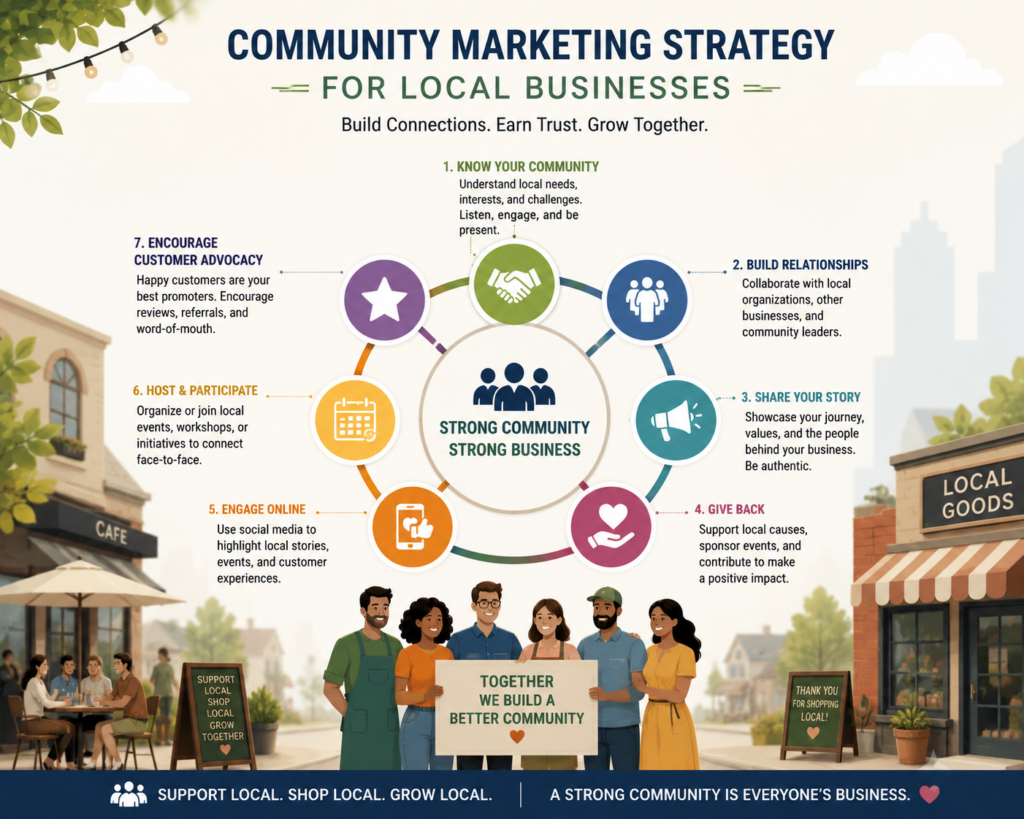
Introduction to Community Marketing Strategy
As a digital marketing strategist and SEO consultant, I have worked with numerous local businesses, helping them establish a strong online presence and drive revenue growth through advanced SEO frameworks and performance-driven digital strategies. One crucial aspect of this process is developing a community marketing strategy that resonates with the local audience and fosters a sense of belonging among customers. In this section, we will delve into the world of community marketing and explore its significance for local businesses.
A community marketing strategy is an approach that focuses on building and nurturing relationships with the local community, rather than solely relying on traditional advertising methods. This strategy involves creating content, hosting events, and engaging in activities that are relevant to the local population, thereby establishing the business as an integral part of the community. By doing so, local businesses can create a loyal customer base, increase brand awareness, and ultimately drive sales.
The importance of community marketing cannot be overstated. In today’s digital age, consumers are bombarded with advertisements and marketing messages from all directions. As a result, they have become increasingly skeptical and immune to traditional marketing tactics. A community marketing strategy, on the other hand, allows local businesses to connect with their audience on a deeper level, building trust and credibility through meaningful interactions and shared experiences.
For instance, a local coffee shop can host book clubs, art exhibitions, or live music events, creating a welcoming atmosphere that attracts customers and encourages them to linger. By doing so, the coffee shop becomes an integral part of the community, fostering relationships with its customers and establishing a loyal following. Similarly, a fitness studio can offer free yoga classes in the park, promoting wellness and healthy living while also showcasing its expertise and building brand awareness.
Another significant benefit of community marketing is its ability to generate word-of-mouth marketing. When customers feel a strong connection to a business, they are more likely to share their experiences with friends and family, creating a ripple effect that can lead to increased foot traffic and sales. This is particularly important for local businesses, as word-of-mouth marketing is often the most effective way to reach new customers and build a reputation within the community.
To illustrate this point, let’s consider the example of a local restaurant that partners with a nearby food bank to host a charity dinner. The event is promoted through social media, and customers are encouraged to share their experiences and photos using a branded hashtag. As a result, the restaurant generates buzz and creates a sense of community among its customers, who feel good about supporting a business that gives back to the local community. This, in turn, can lead to positive reviews, referrals, and increased customer loyalty.
In addition to these benefits, a community marketing strategy can also help local businesses to differentiate themselves from larger corporations and national chains. By focusing on the unique needs and interests of the local community, businesses can create a distinct brand identity that resonates with their target audience. This is particularly important in today’s market, where consumers are increasingly seeking out authentic, locally-owned businesses that reflect the character and charm of their community.
For example, a local boutique can partner with a nearby artist to create a unique window display, showcasing the artist’s work and promoting local talent. This not only creates a visually stunning display but also demonstrates the boutique’s commitment to supporting local artists and contributing to the community’s cultural scene. By doing so, the boutique establishes itself as a unique and integral part of the community, setting itself apart from larger, more generic retailers.
As we can see, a community marketing strategy offers a wide range of benefits for local businesses, from building brand awareness and driving sales to fostering customer loyalty and creating a sense of belonging. By engaging with the local community, hosting events, and creating content that resonates with the target audience, businesses can establish themselves as an integral part of the community, driving growth and success in the process.
In the next section, we will explore the key components of a community marketing strategy, including how to identify and engage with the target audience, create effective content, and measure the success of community marketing efforts. We will also discuss the role of social media, event marketing, and partnerships in community marketing, providing actionable tips and examples for local businesses looking to develop a successful community marketing strategy.
Some key takeaways to consider when developing a community marketing strategy include:
- Understanding the unique needs and interests of the local community, and creating content and events that resonate with the target audience.
- Building relationships with local influencers, partners, and stakeholders to amplify the business’s message and reach a wider audience.
- Measuring the success of community marketing efforts through metrics such as engagement, brand awareness, and customer loyalty.
- Continuously evaluating and refining the community marketing strategy to ensure it remains effective and aligned with the business’s goals and objectives.
- Using social media and other digital channels to promote community marketing efforts, engage with customers, and build a strong online presence.
By considering these factors and developing a comprehensive community marketing strategy, local businesses can establish a strong presence in their community, drive growth and sales, and build a loyal customer base that will support them for years to come.
Understanding the Target Audience and Community
As a digital marketing strategist and SEO consultant, I have worked with numerous local businesses, helping them develop effective community marketing strategies that drive engagement, conversions, and revenue growth. At the heart of any successful community marketing strategy lies a deep understanding of the target audience and the community they operate in. In this section, we will delve into the importance of understanding the target audience and community, and explore ways to gather insights that can inform your marketing efforts.
Understanding the target audience is crucial because it allows local businesses to tailor their marketing messages, products, and services to meet the specific needs and preferences of their customers. By doing so, businesses can increase brand awareness, build trust, and ultimately drive sales. However, understanding the target audience is not a one-time task, but rather an ongoing process that requires continuous monitoring and adaptation. As consumer behaviors, preferences, and needs evolve, businesses must be able to adjust their marketing strategies to remain relevant and effective.
To gain a deeper understanding of the target audience, local businesses can use a variety of research methods, including surveys, focus groups, and social media listening. Surveys can provide valuable insights into customer demographics, behaviors, and preferences, while focus groups can offer a more nuanced understanding of customer attitudes and opinions. Social media listening, on the other hand, can help businesses stay on top of customer conversations, identify trends, and respond to customer feedback in real-time.
In addition to these research methods, local businesses can also leverage customer data and analytics to gain a better understanding of their target audience. By analyzing customer data, such as purchase history, browsing behavior, and search queries, businesses can identify patterns, trends, and correlations that can inform their marketing strategies. For example, a local retail business may use customer data to identify their most loyal customers, and then develop targeted marketing campaigns to reward and retain those customers.
Another important aspect of understanding the target audience is to identify the influencers and community leaders who can help amplify the business’s message and reach a wider audience. Influencers and community leaders can be local celebrities, bloggers, or social media personalities who have a large following and are respected by their peers. By partnering with these influencers, local businesses can increase their credibility, build trust, and reach a larger audience.
For instance, a local restaurant may partner with a popular food blogger to promote their new menu items, or a local fitness studio may partner with a social media influencer to promote their fitness classes. By leveraging the influence and credibility of these community leaders, local businesses can increase their visibility, drive engagement, and attract new customers.
To illustrate the importance of understanding the target audience and community, let’s consider the example of a local coffee shop. The coffee shop, which we’ll call “The Daily Grind,” is located in a busy downtown area and caters to a diverse customer base of students, professionals, and tourists. To develop an effective community marketing strategy, The Daily Grind needs to understand the specific needs and preferences of their target audience.
Through surveys and focus groups, The Daily Grind discovers that their customers are looking for a cozy and welcoming atmosphere, high-quality coffee, and a convenient location. They also learn that their customers are active on social media, and are likely to share their experiences and photos with their friends and followers. Armed with this information, The Daily Grind can develop a targeted marketing strategy that speaks directly to their audience, and addresses their specific needs and preferences.
Here are some ways that The Daily Grind can use this information to develop an effective community marketing strategy:
- Offer special promotions and discounts to customers who share their experiences on social media, using a branded hashtag or tagging the business’s handle.
- Host events and workshops that cater to the interests and needs of their target audience, such as coffee-tasting sessions, live music performances, or art exhibits.
- Partner with local influencers and community leaders to promote the business and attract new customers, such as partnering with a local blogger to promote their coffee shop as a great spot to study or work.
- Use social media listening to stay on top of customer conversations, respond to customer feedback, and identify trends and opportunities to engage with their audience.
- Develop a loyalty program that rewards customers for their repeat business, and encourages them to continue visiting the coffee shop.
By understanding the target audience and community, local businesses like The Daily Grind can develop effective community marketing strategies that drive engagement, conversions, and revenue growth. By leveraging research methods, customer data and analytics, and partnerships with influencers and community leaders, businesses can tailor their marketing messages, products, and services to meet the specific needs and preferences of their customers, and ultimately achieve their business goals.
In conclusion, understanding the target audience and community is a critical component of any successful community marketing strategy. By gathering insights into customer demographics, behaviors, and preferences, local businesses can develop targeted marketing campaigns that speak directly to their audience, and address their specific needs and preferences. As we will explore in the next section, developing a strong community marketing strategy requires a deep understanding of the target audience and community, as well as a range of other factors, including the business’s unique value proposition, competitive landscape, and marketing channels.
Developing a Community Marketing Strategy
As a digital marketing strategist and SEO consultant, I have worked with numerous local businesses to help them develop and implement effective community marketing strategies. In today’s digital age, it is more important than ever for local businesses to have a strong online presence and to engage with their local community. A well-planned community marketing strategy can help local businesses to build brand awareness, drive sales, and establish themselves as a trusted and authoritative voice in their industry.
When developing a community marketing strategy, there are several key factors to consider. First and foremost, it is essential to understand your target audience and the types of content that they are most likely to engage with. This can include blog posts, social media updates, email newsletters, and other types of online content. By creating content that is relevant, informative, and engaging, local businesses can attract and retain the attention of their target audience and establish themselves as a trusted and authoritative voice in their industry.
Another important factor to consider when developing a community marketing strategy is the role of social media. Social media platforms such as Facebook, Twitter, and Instagram provide local businesses with a powerful tool for engaging with their target audience and building brand awareness. By creating and sharing content on social media, local businesses can reach a large and targeted audience, drive website traffic and sales, and establish themselves as a trusted and authoritative voice in their industry. For example, a local coffee shop could use social media to promote their products and services, share updates and news, and engage with their customers and fans.
In addition to social media, local businesses should also consider the importance of email marketing when developing a community marketing strategy. Email marketing provides local businesses with a powerful tool for reaching and engaging with their target audience, driving sales and website traffic, and building brand awareness. By creating and sending regular email newsletters, local businesses can keep their customers and fans informed about their products and services, promote special offers and discounts, and establish themselves as a trusted and authoritative voice in their industry. For example, a local restaurant could use email marketing to promote their daily specials, share recipes and cooking tips, and offer exclusive discounts and promotions to their subscribers.
When it comes to building a strong online presence, local businesses should also consider the importance of search engine optimization (SEO). SEO provides local businesses with a powerful tool for improving their visibility and ranking on search engines such as Google, driving website traffic and sales, and establishing themselves as a trusted and authoritative voice in their industry. By optimizing their website and online content for relevant keywords and phrases, local businesses can improve their search engine ranking, drive more website traffic and sales, and establish themselves as a trusted and authoritative voice in their industry. For example, a local dentist could use SEO to optimize their website for keywords such as “dentist in [city name]” or “teeth whitening in [city name]”, and drive more website traffic and sales as a result.
Finally, local businesses should also consider the importance of community involvement when developing a community marketing strategy. Community involvement provides local businesses with a powerful tool for building brand awareness, driving sales, and establishing themselves as a trusted and authoritative voice in their industry. By participating in local events, sponsoring local charities, and engaging with their local community, local businesses can build strong relationships with their customers and fans, drive website traffic and sales, and establish themselves as a trusted and authoritative voice in their industry. For example, a local bookstore could participate in local literary events, sponsor a local book club, and offer writing workshops and classes to their customers and fans.
Some of the key benefits of community marketing strategy for local businesses include:
- Increased brand awareness and recognition
- Improved search engine ranking and website traffic
- Increased sales and revenue
- Stronger relationships with customers and fans
- Establishment as a trusted and authoritative voice in the industry
By considering these key factors and benefits, local businesses can develop and implement an effective community marketing strategy that drives sales, builds brand awareness, and establishes them as a trusted and authoritative voice in their industry. As a digital marketing strategist and SEO consultant, I have seen firsthand the impact that a well-planned community marketing strategy can have on a local business, and I am excited to help more businesses achieve their goals and succeed in the digital age.
In addition to the benefits mentioned above, a community marketing strategy can also help local businesses to differentiate themselves from their competitors. By engaging with their local community, sponsoring local events, and participating in local charities, local businesses can build a unique and compelling brand identity that sets them apart from their competitors. For example, a local boutique could sponsor a local fashion show, participate in a local artisan market, and offer exclusive discounts and promotions to their customers and fans.
Another important aspect of community marketing strategy is measurement and evaluation. Local businesses should track and measure the effectiveness of their community marketing strategy, and make adjustments as needed. This can include tracking website traffic and sales, monitoring social media engagement and email open rates, and conducting regular surveys and focus groups to gather feedback from customers and fans. By measuring and evaluating the effectiveness of their community marketing strategy, local businesses can refine and improve their approach, and achieve even greater success and growth in the digital age.
Some of the key metrics that local businesses should track and measure when evaluating their community marketing strategy include:
- Website traffic and online engagement
- Social media followers and engagement
- Email open rates and conversion rates
- Customer satisfaction and retention
- Revenue and sales growth
By tracking and measuring these key metrics, local businesses can gain a deeper understanding of the effectiveness of their community marketing strategy, and make data-driven decisions to refine and improve their approach. As a digital marketing strategist and SEO consultant, I have helped numerous local businesses to track and measure the effectiveness of their community marketing strategy, and to achieve greater success and growth as a result.
In conclusion, developing a community marketing strategy is a crucial step for local businesses that want to build brand awareness, drive sales, and establish themselves as a trusted and authoritative voice in their industry. By considering the key factors and benefits mentioned above, local businesses can develop and implement an effective community marketing strategy that drives sales, builds brand awareness, and achieves greater success and growth in the digital age. As a digital marketing strategist and SEO consultant, I am excited to help more local businesses achieve their goals and succeed in the digital age.
Implementing and Measuring Community Marketing Efforts
As a digital marketing strategist and SEO consultant, I have worked with numerous local businesses to develop and implement effective community marketing strategies. Implementing and measuring community marketing efforts is a crucial step in building a loyal customer base and driving revenue growth for local businesses. In this section, we will delve into the details of implementing and measuring community marketing efforts, providing actionable tips and real-world examples to help local businesses succeed.
Implementing community marketing efforts requires a deep understanding of the target audience, their needs, and preferences. Local businesses must identify the right channels to reach their audience, whether it’s through social media, email marketing, or local events. For instance, a local coffee shop may use social media platforms like Facebook and Instagram to engage with its customers, share updates, and promote its products. On the other hand, a local bookstore may use email marketing to notify its subscribers about new book releases, author events, and promotions.
Once the channels are identified, local businesses must create content that resonates with their audience. This content can be in the form of blog posts, videos, podcasts, or social media posts. The key is to create content that is informative, engaging, and relevant to the target audience. For example, a local fitness studio may create blog posts about fitness tips, workout routines, and healthy recipes to engage with its audience and establish itself as an authority in the fitness industry.
In addition to creating content, local businesses must also engage with their audience. This can be done by responding to comments and messages on social media, hosting events and webinars, and participating in local discussions. For instance, a local restaurant may host a cooking class or a wine tasting event to engage with its customers and build a loyal following. By engaging with their audience, local businesses can build trust, establish relationships, and drive loyalty.
Measuring community marketing efforts is also crucial to understanding the effectiveness of the strategy. Local businesses must track key metrics such as website traffic, social media engagement, email open rates, and conversion rates. These metrics provide valuable insights into the performance of the community marketing strategy and help identify areas for improvement. For example, a local business may use Google Analytics to track website traffic and identify which channels are driving the most traffic to its website.
To measure the success of community marketing efforts, local businesses can use a variety of tools and metrics. Some common metrics used to measure community marketing success include:
- Website traffic: The number of visitors to a website is a key metric to measure the success of community marketing efforts. Local businesses can use tools like Google Analytics to track website traffic and identify which channels are driving the most traffic to their website.
- Social media engagement: Social media engagement metrics such as likes, shares, and comments provide valuable insights into the effectiveness of community marketing efforts on social media platforms.
- Email open rates: Email open rates indicate the percentage of email recipients who opened an email campaign. This metric helps local businesses understand the effectiveness of their email marketing campaigns and identify areas for improvement.
- Conversion rates: Conversion rates measure the percentage of website visitors who complete a desired action, such as filling out a form or making a purchase. This metric provides valuable insights into the effectiveness of community marketing efforts in driving revenue growth.
Another important aspect of measuring community marketing efforts is to track the return on investment (ROI). ROI measures the revenue generated by a community marketing campaign compared to its cost. Local businesses can use ROI to evaluate the effectiveness of their community marketing efforts and make data-driven decisions to optimize their strategy. For example, a local business may use ROI to compare the effectiveness of its social media advertising campaign versus its email marketing campaign.
In conclusion, implementing and measuring community marketing efforts is a critical step in building a loyal customer base and driving revenue growth for local businesses. By understanding the target audience, creating engaging content, and measuring key metrics, local businesses can develop effective community marketing strategies that drive real results. As a digital marketing strategist and SEO consultant, I have seen firsthand the impact of community marketing on local businesses, and I believe that with the right strategy and measurement tools, local businesses can achieve significant growth and success.
To illustrate the importance of community marketing, let’s consider a real-world example. A local boutique store in a small town used community marketing to build a loyal customer base and drive revenue growth. The store created a social media campaign that encouraged customers to share photos of themselves wearing the store’s clothing. The campaign was highly successful, with hundreds of customers sharing photos and using a branded hashtag. The store also partnered with local influencers and bloggers to promote its products and reach a wider audience. As a result of its community marketing efforts, the store saw a significant increase in website traffic, social media engagement, and sales.
This example demonstrates the power of community marketing in driving business growth and revenue. By building a loyal customer base and engaging with its audience, the local boutique store was able to create a loyal following and drive sales. As a digital marketing strategist and SEO consultant, I believe that community marketing is a critical component of any local business’s marketing strategy, and I encourage local businesses to invest in community marketing efforts to drive real results.
In addition to the example above, there are many other ways that local businesses can use community marketing to drive growth and revenue. For instance, local businesses can use community marketing to build partnerships with other local businesses, creating a network of businesses that support and promote each other. Local businesses can also use community marketing to create events and experiences that bring the community together, such as concerts, festivals, and charity events. By building a strong community presence, local businesses can establish themselves as leaders in their industry and drive loyalty and retention among their customers.
In terms of the tools and resources needed to implement community marketing efforts, there are many options available to local businesses. For example, local businesses can use social media management tools like Hootsuite or Sprout Social to schedule and publish social media content. Local businesses can also use email marketing tools like Mailchimp or Constant Contact to create and send email campaigns. Additionally, local businesses can use analytics tools like Google Analytics to track website traffic and measure the effectiveness of their community marketing efforts.
Finally, it’s worth noting that community marketing is an ongoing process that requires consistent effort and attention. Local businesses must continually create and publish new content, engage with their audience, and measure the effectiveness of their community marketing efforts. By doing so, local businesses can build a loyal customer base, drive revenue growth, and establish themselves as leaders in their industry. As a digital marketing strategist and SEO consultant, I believe that community marketing is a critical component of any local business’s marketing strategy, and I encourage local businesses to invest in community marketing efforts to drive real results.
Advanced Community Marketing Techniques for Local Businesses
As a digital marketing strategist and SEO consultant, I have worked with numerous local businesses, helping them develop and implement effective community marketing strategies that drive engagement, build brand loyalty, and ultimately, boost revenue. In this section, we will delve into the advanced community marketing techniques that can help local businesses thrive in today’s competitive market.
Community marketing is a powerful approach that focuses on building strong relationships with the local community, fostering a sense of belonging, and encouraging customer loyalty. By leveraging advanced community marketing techniques, local businesses can differentiate themselves from larger corporations, create a unique brand identity, and establish a loyal customer base. In this article, we will explore the advanced community marketing techniques that can help local businesses achieve their marketing goals.
The key to successful community marketing is to understand the needs, preferences, and behaviors of the local community. This involves conducting thorough market research, gathering feedback from customers, and analyzing data to identify trends and patterns. By doing so, local businesses can develop targeted marketing campaigns that resonate with their audience, build trust, and drive engagement. For instance, a local coffee shop can conduct a survey to understand the coffee preferences of the community, and then create a marketing campaign that highlights their unique coffee blends, sourced from local roasters.
One advanced community marketing technique is to partner with local influencers, who have a strong following and can help promote the business to their audience. This can be done by offering free products or services, hosting events, or collaborating on content creation. For example, a local fashion boutique can partner with a popular fashion blogger, who can showcase their latest collection, provide styling tips, and promote the business to their followers. This not only helps to increase brand visibility but also builds credibility and trust with the local community.
Another technique is to leverage user-generated content, which involves encouraging customers to share their experiences, photos, or reviews of the business on social media. This can be done by offering incentives, such as discounts or freebies, or by creating a branded hashtag that customers can use to share their content. For instance, a local restaurant can create a hashtag #MyFavoriteDish, and encourage customers to share photos of their favorite dishes on Instagram, using the hashtag. This not only creates a sense of community but also provides valuable social proof, which can attract new customers and drive sales.
Additionally, local businesses can utilize event marketing to build relationships with the community, create memorable experiences, and generate buzz around their brand. This can include hosting workshops, webinars, concerts, or charity events, which can help to establish the business as a thought leader, build trust, and drive engagement. For example, a local bookstore can host a book signing event, featuring a popular author, and offer a workshop on writing techniques, which can attract book lovers, writers, and literature enthusiasts.
Furthermore, local businesses can leverage social media to build a strong online presence, engage with the community, and promote their brand. This involves creating a content calendar, posting regular updates, responding to comments and messages, and using paid advertising to reach a wider audience. For instance, a local gym can create a Facebook page, post workout tips, share success stories, and offer exclusive promotions to their followers, which can help to build a loyal community, drive engagement, and attract new members.
Some of the other advanced community marketing techniques that local businesses can use include:
- Developing a referral program, which incentivizes customers to refer their friends and family to the business, by offering rewards, discounts, or exclusive offers.
- Creating a loyalty program, which rewards customers for their repeat business, by offering points, badges, or exclusive benefits.
- Utilizing email marketing, which involves building an email list, creating targeted campaigns, and sending regular newsletters to subscribers, to keep them informed, engaged, and loyal.
- Hosting webinars or online workshops, which provide valuable information, training, or education to the community, and establish the business as a thought leader.
- Partnering with local organizations or charities, which helps to build relationships, create goodwill, and promote the business to a wider audience.
In conclusion, advanced community marketing techniques can help local businesses build strong relationships with the community, drive engagement, and boost revenue. By leveraging techniques such as partnerships with local influencers, user-generated content, event marketing, social media, and referral programs, local businesses can establish a unique brand identity, create a loyal customer base, and thrive in today’s competitive market. As a digital marketing strategist and SEO consultant, I have seen firsthand the impact that effective community marketing can have on local businesses, and I highly recommend that businesses invest in these advanced techniques to achieve their marketing goals.
By implementing these advanced community marketing techniques, local businesses can:
- Build a strong online presence and establish a unique brand identity
- Drive engagement, build trust, and create a loyal customer base
- Increase brand visibility, credibility, and social proof
- Attract new customers, drive sales, and boost revenue
- Establish the business as a thought leader, and create a sense of community
Overall, advanced community marketing techniques offer a powerful way for local businesses to connect with their audience, build strong relationships, and drive business growth. By leveraging these techniques, local businesses can achieve their marketing goals, establish a strong presence in the market, and thrive in today’s competitive landscape.

Amit Tyagi is a seasoned Digital Marketing and SEO Consultant with extensive experience helping businesses improve online visibility through SEO, AI Search Optimization (AIO/GEO), content strategy, and performance marketing. He regularly shares practical insights, industry updates, and data-driven strategies, empowering brands and marketers to achieve sustainable digital growth in an evolving search landsca