
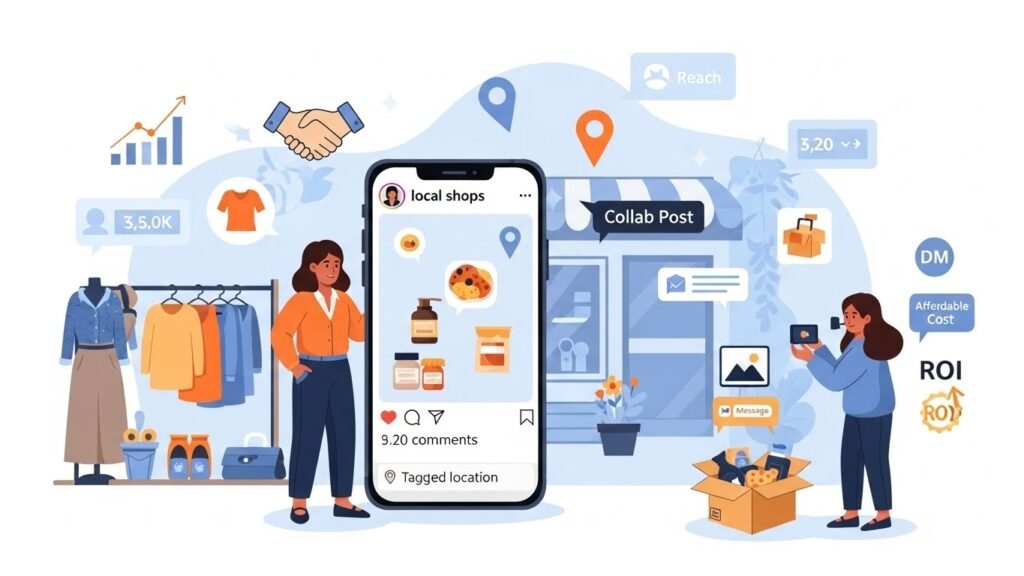
Introduction
In 2026, influencer marketing is no longer reserved for big brands with massive budgets. Local shops—from cafés and boutiques to bookstores and bakeries—are discovering the power of micro‑influencers. These are creators with smaller but highly engaged audiences (typically 1,000–50,000 followers). Unlike celebrity influencers, micro‑influencers are affordable, authentic, and deeply connected to their communities.
For local shops, collaborating with micro‑influencers can be the most cost‑effective way to build awareness, attract Gen Z and Millennial customers, and drive real foot traffic.
Why Micro‑Influencers Matter for Local Shops
- High engagement rates: Micro‑influencers often have stronger connections with their followers.
- Authenticity: Their recommendations feel genuine, not scripted.
- Affordability: Partnerships are budget‑friendly compared to celebrity endorsements.
- Local relevance: They often live in the same city or neighborhood, making their influence hyper‑targeted.
- Trust factor: Followers see them as peers, not distant celebrities.
Step 1: Identify the Right Micro‑Influencers
Finding the right partner is crucial. Local shops should:
- Search hashtags: Use #LocalFoodie, #CityStyle, #BookTok, etc.
- Check engagement: Look for influencers with high likes/comments relative to followers.
- Focus on niche: Food bloggers for cafés, fashion creators for boutiques, lifestyle influencers for gift shops.
- Local relevance: Prioritize influencers who live nearby and post about local experiences.
- Authenticity check: Review past collaborations to ensure genuine content.
Step 2: Build Win‑Win Partnerships
Micro‑influencers value relationships over transactions. Shops should:
- Offer free products/services: Meals, clothing, or exclusive experiences.
- Provide creative freedom: Let influencers design content in their own style.
- Collaborate on events: Host influencer meet‑ups or tasting sessions.
- Cross‑promote: Share influencer content on shop’s social media.
- Long‑term partnerships: Build ongoing relationships instead of one‑off posts.
Step 3: Create Engaging Campaigns
Campaigns should feel organic and fun. Examples:
- Unboxing videos: Influencers showcase shop products.
- Behind‑the‑scenes tours: Influencers film inside the shop.
- Challenges: e.g., #LatteArtChallenge at a café.
- Giveaways: Influencers host contests with shop vouchers.
- Storytelling: Influencers share personal experiences with the shop.
Step 4: Leverage Multiple Platforms
Micro‑influencers are active across platforms. Shops should:
- Instagram Reels: Showcase fashion, food, or lifestyle.
- TikTok: Participate in trending challenges.
- YouTube Shorts: Quick product reviews or recipe demos.
- Pinterest: Visual boards for handmade or décor items.
- Blogs/Newsletters: Longer reviews for SEO benefits.
Step 5: Measure ROI
Tracking results ensures success.
- Engagement metrics: Likes, comments, shares.
- Traffic: Monitor website visits or foot traffic.
- Sales impact: Use discount codes or affiliate links.
- Brand awareness: Track follower growth on shop’s social media.
- Customer feedback: Ask new customers how they discovered the shop.
Step 6: Keep Costs Affordable
Micro‑influencer collaborations don’t require huge budgets.
- Barter deals: Free meals, products, or experiences in exchange for posts.
- Tiered partnerships: Work with multiple influencers at different follower levels.
- Seasonal campaigns: Focus on holidays or festivals for maximum impact.
- Group collaborations: Partner with several influencers for collective reach.
Case Studies
- Local Café (Paris): Partnered with 10 micro‑influencers for free coffee tastings, boosting foot traffic by 30%.
- Boutique (Mumbai): Collaborated with fashion creators on Instagram Reels, selling out a new clothing line.
- Bookstore (Toronto): Invited BookTok influencers for live readings, doubling weekend sales.
Practical Tips for Local Shops
- Start small: Collaborate with 2–3 influencers before scaling.
- Be authentic: Avoid scripted ads—let influencers share genuine experiences.
- Encourage creativity: Influencers know their audience best.
- Repurpose content: Use influencer posts in shop marketing.
- Stay consistent: Build long‑term relationships for lasting impact.
Risks & Challenges
- Fake followers: Some influencers inflate numbers—check engagement rates.
- Content mismatch: Ensure influencer style aligns with shop’s brand.
- Over‑promotion: Too many ads can reduce authenticity.
- ROI uncertainty: Sales impact may take time to measure.
Conclusion
Micro‑influencer collaborations are the future of affordable marketing for local shops. By partnering with authentic voices in their community, shops can build trust, attract new customers, and grow sustainably. In 2026, these partnerships are not just cost‑effective—they are essential for small businesses looking to thrive in a competitive digital landscape.