
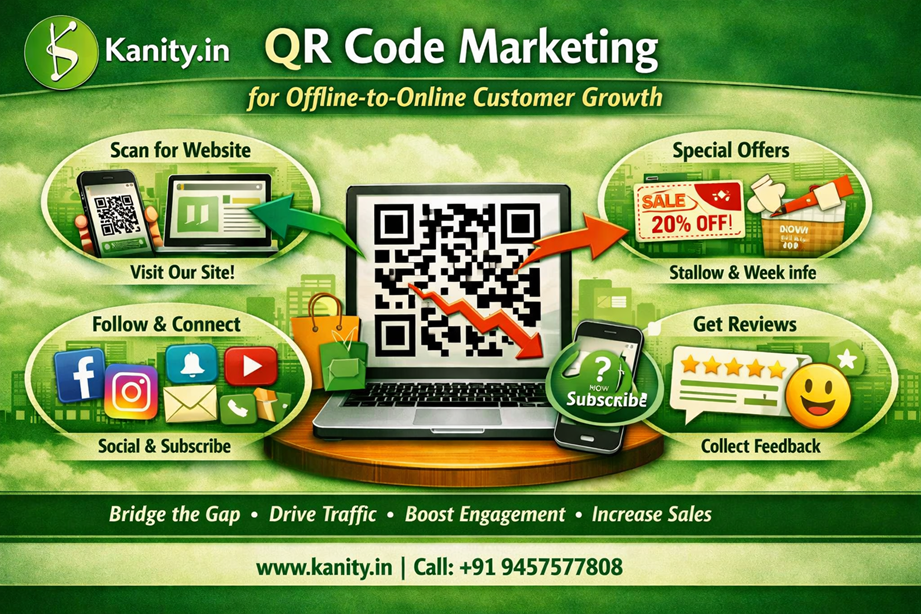
Introduction to QR Code Marketing
As a digital marketing strategist and SEO consultant, I have witnessed the evolution of various marketing channels and technologies over the years. One such technology that has gained significant traction in recent times is QR code marketing. QR codes, or Quick Response codes, are two-dimensional barcodes that can be scanned using smartphones to access information, websites, or applications. In this section, we will delve into the world of QR code marketing and explore its potential for driving offline-to-online customer growth.
The concept of QR codes is not new, but their adoption has increased exponentially with the widespread use of smartphones. Today, QR codes are being used in various industries, including retail, healthcare, education, and marketing, to bridge the gap between the physical and digital worlds. By scanning a QR code, users can instantly access a website, download an app, or receive information about a product or service. This seamless transition from offline to online has made QR code marketing an attractive strategy for businesses looking to expand their online presence.
One of the primary advantages of QR code marketing is its ability to track and measure the effectiveness of offline marketing campaigns. By using unique QR codes for different marketing channels, such as print ads, billboards, or in-store promotions, businesses can monitor the number of scans, clicks, and conversions generated from each channel. This data can be used to optimize marketing strategies, allocate budget more effectively, and improve return on investment (ROI). For instance, a retail brand can use QR codes on their print ads to track the number of people who scanned the code and visited their website or made a purchase online.
Another significant benefit of QR code marketing is its ability to enhance the customer experience. By providing users with a convenient and quick way to access information or make a purchase, businesses can improve customer satisfaction and loyalty. For example, a restaurant can use QR codes on their menus to allow customers to order food online or access nutritional information. This not only saves time but also provides a more engaging and interactive experience for the customer.
QR code marketing can also be used to drive sales and revenue growth. By using QR codes to offer exclusive discounts, promotions, or limited-time offers, businesses can incentivize customers to make a purchase. For instance, an e-commerce brand can use QR codes on their product packaging to offer customers a discount on their next purchase. This can help to increase average order value, reduce cart abandonment rates, and drive repeat business.
In addition to these benefits, QR code marketing can also be used to build brand awareness and establish thought leadership. By creating engaging and informative content, such as videos, blogs, or podcasts, businesses can use QR codes to drive traffic to their website and establish themselves as industry experts. For example, a fitness brand can use QR codes on their gym equipment to provide users with access to workout videos, nutrition advice, and other health-related content. This can help to build trust and credibility with their target audience and establish their brand as a leader in the fitness industry.
To illustrate the effectiveness of QR code marketing, let’s consider a few examples. Walmart, for instance, used QR codes in their stores to allow customers to purchase products online and have them shipped to their homes. This not only improved the customer experience but also helped to drive online sales and revenue growth. Similarly, Starbucks used QR codes on their cups to allow customers to recharge their loyalty cards and earn rewards. This helped to increase customer engagement and loyalty, while also driving sales and revenue growth.
When it comes to implementing QR code marketing, there are several best practices that businesses should follow. First and foremost, it’s essential to ensure that the QR code is scannable and functional. This means using a high-quality QR code generator and testing the code on different devices and platforms. Secondly, businesses should use clear and concise calls-to-action (CTAs) to instruct users on what to do next. This could be something as simple as “Scan to Learn More” or “Scan to Make a Purchase.” Finally, businesses should track and measure the effectiveness of their QR code marketing campaigns using analytics tools and adjust their strategies accordingly.
Some of the key tools and platforms that businesses can use to create and manage QR code marketing campaigns include:
- QR code generators, such as QRCode Monkey or GoQR.me, which allow businesses to create custom QR codes with logos, colors, and other design elements.
- Marketing automation platforms, such as Marketo or Pardot, which enable businesses to track and measure the effectiveness of their QR code marketing campaigns.
- Analytics tools, such as Google Analytics or Adobe Analytics, which provide insights into user behavior, conversion rates, and revenue growth.
- Social media management tools, such as Hootsuite or Buffer, which allow businesses to schedule and publish QR code marketing campaigns across multiple social media channels.
In conclusion, QR code marketing is a powerful strategy for driving offline-to-online customer growth. By providing a seamless transition from the physical to the digital world, QR codes can help businesses to improve customer satisfaction, drive sales and revenue growth, and establish thought leadership. As we move forward in this digital age, it’s essential for businesses to stay ahead of the curve and leverage the latest technologies and trends to stay competitive. By incorporating QR code marketing into their overall marketing strategy, businesses can tap into the vast potential of the online world and achieve their goals.
Understanding Offline-to-Online Customer Growth
As a digital marketing strategist and SEO consultant, I have witnessed the evolution of customer behavior and the ways in which businesses interact with their target audience. In today’s digital age, it is imperative for companies to have a strong online presence to stay competitive and achieve sustainable growth. One effective way to bridge the gap between offline and online customer engagement is through the strategic use of QR code marketing. In this section, we will delve into the concept of offline-to-online customer growth and explore how QR code marketing can be leveraged to drive business success.
Offline-to-online customer growth refers to the process of attracting customers who interact with a brand or business in a physical setting, such as a store or event, and then encouraging them to engage with the brand online. This can involve driving website traffic, social media engagement, or even online sales. The goal of offline-to-online customer growth is to create a seamless and cohesive customer experience that spans both physical and digital channels. By doing so, businesses can increase brand awareness, build customer loyalty, and ultimately drive revenue growth.
There are several benefits to offline-to-online customer growth, including the ability to track customer behavior and preferences across multiple touchpoints, improve customer segmentation and targeting, and enhance the overall customer experience. Additionally, by driving online engagement, businesses can reduce their reliance on physical sales channels and create new revenue streams through e-commerce and digital marketing. For example, a retail store can use QR code marketing to drive customers to their website or social media pages, where they can learn more about products, make purchases, or engage with the brand community.
To illustrate the concept of offline-to-online customer growth, let’s consider the example of a coffee shop. The coffee shop has a physical location where customers can visit and purchase coffee and other beverages. However, the coffee shop also has a website and social media presence, where customers can learn more about their products, view menus, and even make online orders. By using QR code marketing, the coffee shop can encourage customers to visit their website or social media pages, where they can engage with the brand, make online purchases, and even participate in loyalty programs. This creates a seamless customer experience that spans both offline and online channels, driving customer loyalty and revenue growth.
Another example of offline-to-online customer growth is the use of QR code marketing in events and trade shows. For instance, a company participating in a trade show can use QR codes to drive attendees to their website or social media pages, where they can learn more about their products and services. This can help to generate leads, drive website traffic, and even facilitate online sales. Additionally, QR code marketing can be used to track attendee engagement and behavior, providing valuable insights that can inform future marketing strategies.
The key to successful offline-to-online customer growth is to create a cohesive and seamless customer experience that spans both physical and digital channels. This requires a deep understanding of customer behavior and preferences, as well as the ability to leverage data and analytics to inform marketing strategies. By using QR code marketing and other digital marketing tactics, businesses can drive customer engagement, build brand loyalty, and ultimately achieve sustainable growth and revenue.
Some of the ways to achieve offline-to-online customer growth include:
- Using QR code marketing to drive website traffic and online engagement
- Creating a seamless and cohesive customer experience across physical and digital channels
- Leveraging data and analytics to inform marketing strategies and track customer behavior
- Building a strong online presence through website and social media optimization
- Utilizing email marketing and other digital channels to nurture customer relationships and drive loyalty
By implementing these strategies, businesses can drive offline-to-online customer growth, increase brand awareness, and ultimately achieve sustainable revenue growth. In the next section, we will explore the role of QR code marketing in driving offline-to-online customer growth, and provide examples and case studies of successful QR code marketing campaigns.
As a digital marketing strategist and SEO consultant, I have worked with numerous businesses to develop and implement effective QR code marketing strategies. One of the key benefits of QR code marketing is its ability to track customer behavior and preferences, providing valuable insights that can inform future marketing strategies. Additionally, QR code marketing can be used to drive website traffic, social media engagement, and even online sales, making it a powerful tool for businesses looking to drive offline-to-online customer growth.
For example, a company can use QR code marketing to drive customers to a landing page or website, where they can learn more about a product or service. The QR code can be placed on a variety of marketing materials, such as flyers, brochures, or even product packaging. Once the customer scans the QR code, they can be directed to a specific webpage or social media page, where they can engage with the brand and learn more about the product or service. This creates a seamless and cohesive customer experience that spans both offline and online channels, driving customer loyalty and revenue growth.
In conclusion, offline-to-online customer growth is a critical component of any successful business strategy. By leveraging QR code marketing and other digital marketing tactics, businesses can drive customer engagement, build brand loyalty, and ultimately achieve sustainable growth and revenue. As a digital marketing strategist and SEO consultant, I have seen firsthand the power of QR code marketing in driving offline-to-online customer growth, and I believe that it is an essential tool for any business looking to succeed in today’s digital age.
The use of QR code marketing is not limited to any specific industry or sector. It can be used by businesses of all sizes and types, from small retail stores to large corporations. The key is to understand the customer’s journey and to use QR code marketing to create a seamless and cohesive experience that spans both offline and online channels. By doing so, businesses can increase brand awareness, drive customer loyalty, and ultimately achieve sustainable revenue growth.
Some of the most effective ways to use QR code marketing include:
- Placing QR codes on marketing materials, such as flyers, brochures, or product packaging
- Using QR codes to drive website traffic and online engagement
- Creating a seamless and cohesive customer experience across physical and digital channels
- Leveraging data and analytics to inform marketing strategies and track customer behavior
- Utilizing email marketing and other digital channels to nurture customer relationships and drive loyalty
By implementing these strategies, businesses can drive offline-to-online customer growth, increase brand awareness, and ultimately achieve sustainable revenue growth. As a digital marketing strategist and SEO consultant, I believe that QR code marketing is a powerful tool that can help businesses achieve their marketing goals and drive long-term success.
In the next section, we will explore the role of QR code marketing in driving offline-to-online customer growth, and provide examples and case studies of successful QR code marketing campaigns. We will also discuss the importance of tracking and measuring the effectiveness of QR code marketing campaigns, and provide tips and best practices for businesses looking to get started with QR code marketing.
It is important to note that QR code marketing is not a one-size-fits-all solution. It requires a deep understanding of the customer’s journey and the ability to create a seamless and cohesive experience that spans both offline and online channels. By doing so, businesses can increase brand awareness, drive customer loyalty, and ultimately achieve sustainable revenue growth.
As a digital marketing strategist and SEO consultant, I have worked with numerous businesses to develop and implement effective QR code marketing strategies. I believe that QR code marketing is a powerful tool that can help businesses achieve their marketing goals and drive long-term success. In the next section, we will explore the role of QR code marketing in driving offline-to-online customer growth, and provide examples and case studies of successful QR code marketing campaigns.
Strategies for Effective QR Code Marketing
As a digital marketing strategist and SEO consultant, I have witnessed the power of QR code marketing in driving offline-to-online customer growth. With the increasing adoption of smartphones and the internet, QR codes have become an essential tool for businesses to bridge the gap between offline and online marketing. In this section, we will explore the strategies for effective QR code marketing that can help businesses scale globally.
QR code marketing is a form of marketing that uses Quick Response codes to connect with customers and promote products or services. These codes can be scanned using a smartphone, and they can direct customers to a website, social media page, or any other online platform. The key to effective QR code marketing is to create a seamless and engaging experience for customers, and to use the codes in a way that complements other marketing strategies.
One of the most important strategies for effective QR code marketing is to define a clear purpose for the campaign. This means identifying the target audience, setting specific goals, and determining the metrics that will be used to measure success. For example, a business may use QR codes to drive traffic to its website, increase sales, or build brand awareness. By defining a clear purpose, businesses can create a focused and effective QR code marketing campaign that resonates with their target audience.
Another important strategy is to make the QR code visible and accessible. This means placing the code in a location where it can be easily seen and scanned, such as on a product label, in a store window, or on a print advertisement. The code should also be large enough to be easily scanned, and it should be placed in a location where it will not be obstructed or damaged. For example, a business may place a QR code on a billboard or on the side of a building, where it can be seen by a large number of people.
In addition to making the QR code visible and accessible, businesses should also provide a compelling reason for customers to scan the code. This can be done by offering a discount, promotion, or other incentive that is only available to customers who scan the code. For example, a business may offer a 10% discount to customers who scan a QR code and make a purchase within a certain time period. By providing a compelling reason, businesses can encourage customers to engage with the QR code and increase the chances of a successful campaign.
Businesses should also track and measure the performance of their QR code marketing campaign. This can be done using analytics tools that track the number of scans, the location of the scans, and the actions taken by customers after scanning the code. By tracking and measuring performance, businesses can identify areas for improvement and make data-driven decisions to optimize their campaign. For example, a business may find that a certain location is generating a high number of scans, and they can use this information to adjust their marketing strategy and increase the effectiveness of their campaign.
Some of the most effective QR code marketing campaigns use multiple channels and platforms to reach customers. For example, a business may use QR codes on print advertisements, social media, and email marketing campaigns to reach a wide audience. By using multiple channels and platforms, businesses can increase the visibility and reach of their campaign, and they can create a cohesive and integrated marketing strategy that resonates with their target audience.
Here are some examples of how businesses can use QR code marketing to drive offline-to-online customer growth:
- Product labeling: Businesses can place QR codes on product labels to provide customers with more information about the product, such as ingredients, instructions, or reviews.
- Print advertisements: Businesses can use QR codes on print advertisements to drive traffic to their website, social media page, or other online platform.
- In-store promotions: Businesses can use QR codes in-store to offer customers special promotions, discounts, or rewards.
- Event marketing: Businesses can use QR codes at events to provide customers with more information about the event, such as schedules, maps, or speaker bios.
- Package delivery: Businesses can use QR codes on package delivery to provide customers with tracking information, delivery updates, or other relevant information.
In conclusion, QR code marketing is a powerful tool for driving offline-to-online customer growth. By defining a clear purpose, making the QR code visible and accessible, providing a compelling reason, tracking and measuring performance, and using multiple channels and platforms, businesses can create effective QR code marketing campaigns that resonate with their target audience. Whether it’s through product labeling, print advertisements, in-store promotions, event marketing, or package delivery, QR codes can help businesses bridge the gap between offline and online marketing, and drive customer engagement and sales.
As a digital marketing strategist and SEO consultant, I have worked with numerous businesses to develop and implement effective QR code marketing campaigns. By leveraging the strategies outlined above, businesses can unlock the full potential of QR code marketing and drive significant growth and revenue. With the increasing adoption of smartphones and the internet, QR codes are becoming an essential tool for businesses to connect with customers and promote their products or services. By staying ahead of the curve and embracing QR code marketing, businesses can stay competitive and achieve their marketing goals.
Furthermore, QR code marketing can be used in conjunction with other digital marketing strategies, such as search engine optimization (SEO), pay-per-click (PPC) advertising, and social media marketing. By integrating QR code marketing with these strategies, businesses can create a cohesive and integrated marketing approach that drives customer engagement and sales. For example, a business may use QR codes to drive traffic to their website, and then use SEO and PPC advertising to optimize their website and increase conversions.
Additionally, QR code marketing can be used to collect valuable data and insights about customer behavior and preferences. By tracking the performance of QR code campaigns, businesses can gain a better understanding of their target audience and develop more effective marketing strategies. For example, a business may find that a certain demographic is more likely to scan QR codes, and they can use this information to tailor their marketing approach and increase the effectiveness of their campaign.
In summary, QR code marketing is a powerful tool for driving offline-to-online customer growth. By defining a clear purpose, making the QR code visible and accessible, providing a compelling reason, tracking and measuring performance, and using multiple channels and platforms, businesses can create effective QR code marketing campaigns that resonate with their target audience. Whether it’s through product labeling, print advertisements, in-store promotions, event marketing, or package delivery, QR codes can help businesses bridge the gap between offline and online marketing, and drive customer engagement and sales.
Advanced QR Code Marketing Techniques
As a digital marketing strategist and SEO consultant, I have seen firsthand the impact that QR code marketing can have on offline-to-online customer growth. In today’s digital age, it’s no secret that consumers are constantly connected to their mobile devices, and QR codes provide a seamless way to bridge the gap between the physical and digital worlds. In this section, we will delve into advanced QR code marketing techniques that can help take your marketing strategy to the next level.
QR codes, or Quick Response codes, are two-dimensional barcodes that can be scanned using a smartphone’s camera. They can contain a variety of information, such as URLs, text messages, phone numbers, and even payment information. When used effectively, QR codes can be a powerful tool for driving traffic, generating leads, and increasing sales. However, simply slapping a QR code on a product or advertisement is not enough. To truly harness the power of QR code marketing, you need to employ advanced techniques that take into account the user experience, tracking and analytics, and the overall marketing strategy.
One advanced QR code marketing technique is to use dynamic QR codes. Unlike static QR codes, which cannot be changed once they are created, dynamic QR codes can be updated in real-time. This allows you to change the destination URL, add new content, or even track the performance of the QR code without having to recreate it. Dynamic QR codes are particularly useful for marketing campaigns that require flexibility and adaptability. For example, if you are running a promotion that needs to be changed or updated frequently, a dynamic QR code can be used to direct users to the latest offer or content.
Another advanced technique is to use QR code analytics to track the performance of your QR code marketing campaigns. By using a QR code generator that provides analytics, you can gain insights into how many people are scanning your QR codes, where they are scanning them from, and what actions they are taking after scanning. This data can be used to refine your marketing strategy, identify areas for improvement, and optimize your QR code marketing campaigns for better results. For instance, if you notice that a particular QR code is not being scanned as much as others, you can adjust the placement or design of the QR code to improve its visibility and appeal.
In addition to dynamic QR codes and QR code analytics, personalized QR codes are another advanced technique that can help take your marketing strategy to the next level. Personalized QR codes are customized to each individual user, providing a unique experience and increasing the chances of engagement. For example, a company could use personalized QR codes to offer loyalty program members exclusive discounts or rewards. When a user scans the QR code, they are directed to a personalized landing page that shows their loyalty program balance, available rewards, and other relevant information.
Some other advanced QR code marketing techniques include:
- Using QR codes to facilitate social media engagement: By linking QR codes to social media profiles or campaigns, you can encourage users to share content, participate in contests, or follow your brand.
- Creating QR code-based games and challenges: QR codes can be used to create interactive games and challenges that engage users and provide a fun experience.
- Utilizing QR codes for event marketing: QR codes can be used to promote events, provide attendees with event information, and even facilitate registration and ticketing.
- Using QR codes for customer feedback and reviews: By linking QR codes to review platforms or feedback forms, you can encourage users to provide feedback and reviews, which can help improve your products and services.
When implementing advanced QR code marketing techniques, it’s essential to keep the user experience in mind. This includes ensuring that the QR code is easily scannable, the landing page is mobile-friendly, and the overall experience is seamless and intuitive. By providing a positive user experience, you can increase the chances of engagement, conversion, and customer loyalty.
For example, a company like Starbucks could use advanced QR code marketing techniques to enhance the customer experience. By placing QR codes on their coffee cups or in-store displays, Starbucks could direct customers to a mobile app where they can order and pay for their coffee, earn rewards, and access exclusive content. The QR code could be dynamic, allowing Starbucks to update the content and promotions in real-time, and the analytics could provide valuable insights into customer behavior and preferences.
In conclusion, advanced QR code marketing techniques can be a powerful tool for driving offline-to-online customer growth. By using dynamic QR codes, QR code analytics, personalized QR codes, and other advanced techniques, you can create a seamless and engaging experience for your customers, increase conversions, and ultimately drive revenue. As a digital marketing strategist and SEO consultant, I have seen firsthand the impact that QR code marketing can have on a business, and I highly recommend exploring these advanced techniques to take your marketing strategy to the next level.
By incorporating advanced QR code marketing techniques into your overall marketing strategy, you can stay ahead of the competition, increase customer engagement, and drive business growth. Whether you’re a small business or a large corporation, QR code marketing can help you achieve your marketing goals and objectives. So why not give it a try? With the right approach and strategy, QR code marketing can be a game-changer for your business.
Implementing and Scaling QR Code Marketing Campaigns
As a digital marketing strategist, I have witnessed the evolution of QR code marketing and its potential to drive offline-to-online customer growth. With the increasing adoption of smartphones and the internet, businesses can now leverage QR codes to bridge the gap between physical and digital marketing channels. In this section, we will delve into the implementation and scaling of QR code marketing campaigns, exploring the strategies and best practices to maximize their effectiveness.
QR code marketing campaigns can be implemented in various ways, depending on the business goals and target audience. One common approach is to use QR codes on offline marketing materials, such as print ads, flyers, and product packaging. By scanning the QR code, customers can be directed to a website, social media page, or a specific landing page, providing a seamless transition from offline to online engagement. For instance, a retail brand can include a QR code on its product packaging, which, when scanned, directs customers to a video showcasing the product’s features and benefits.
Another approach is to use QR codes in-store, allowing customers to access exclusive content, promotions, or loyalty programs. This can be achieved by placing QR code stickers or displays at strategic locations within the store, such as near product displays or at the checkout counter. By scanning the QR code, customers can unlock rewards, discounts, or special offers, enhancing their shopping experience and encouraging repeat business. For example, a coffee shop can use a QR code to offer customers a free drink after a certain number of purchases, fostering loyalty and retention.
When implementing QR code marketing campaigns, it is essential to consider the user experience and ensure that the QR code is easily scannable and accessible. This can be achieved by using a clear and simple design, avoiding clutter and distractions, and testing the QR code on various devices and platforms. Additionally, businesses should provide clear instructions on how to scan the QR code, such as including a call-to-action (CTA) or a brief explanation of the benefits of scanning the code.
To scale QR code marketing campaigns, businesses can leverage data analytics and tracking tools to monitor the performance of their QR codes. This can include tracking the number of scans, click-through rates, and conversion rates, providing valuable insights into the effectiveness of the campaign. By analyzing this data, businesses can refine their QR code marketing strategy, identifying areas for improvement and optimizing their campaigns for better results. For instance, a business may discover that a particular QR code is generating a high number of scans but low conversion rates, indicating the need to adjust the landing page or offer to better align with customer interests.
Furthermore, businesses can use QR code marketing campaigns to drive social media engagement and build brand awareness. By directing customers to social media pages or specific hashtags, businesses can encourage customers to share their experiences, opinions, and user-generated content. This can be achieved by creating a branded hashtag and including it in the QR code, allowing customers to share their photos, reviews, or testimonials. For example, a fashion brand can use a QR code to direct customers to its Instagram page, where they can share photos of themselves wearing the brand’s clothing, using a specific hashtag.
In addition to driving social media engagement, QR code marketing campaigns can also be used to collect customer data and build loyalty programs. By offering customers exclusive rewards, discounts, or content in exchange for their contact information, businesses can build a database of loyal customers and create targeted marketing campaigns. For instance, a restaurant can use a QR code to offer customers a free dessert in exchange for their email address, allowing the business to send targeted promotions and offers to its loyal customer base.
Some of the benefits of implementing QR code marketing campaigns include:
- Increased offline-to-online engagement: QR codes can direct customers from offline marketing materials to online channels, such as websites, social media pages, or landing pages.
- Improved customer experience: QR codes can provide customers with exclusive content, promotions, or loyalty programs, enhancing their shopping experience and encouraging repeat business.
- Enhanced data collection: QR codes can be used to collect customer data, such as contact information, allowing businesses to build targeted marketing campaigns and loyalty programs.
- Cost-effective: QR codes can be created and distributed at a relatively low cost, making them an attractive option for businesses with limited marketing budgets.
- Measurable results: QR codes can be tracked and measured, providing businesses with valuable insights into the effectiveness of their marketing campaigns.
However, there are also some challenges and limitations to consider when implementing QR code marketing campaigns. For instance, QR codes can be prone to errors, such as incorrect or incomplete URLs, which can lead to a poor customer experience. Additionally, QR codes can be vulnerable to hacking and malware, which can compromise customer data and security. To mitigate these risks, businesses should ensure that their QR codes are generated and distributed securely, and that they are regularly monitored and updated to prevent errors and security breaches.
In conclusion, QR code marketing campaigns can be a powerful tool for driving offline-to-online customer growth, providing businesses with a seamless way to connect with customers and build brand awareness. By implementing and scaling QR code marketing campaigns, businesses can enhance customer engagement, collect valuable data, and drive revenue growth. As a digital marketing strategist, I recommend that businesses consider incorporating QR code marketing into their overall marketing strategy, leveraging the benefits of this technology to stay ahead of the competition and achieve their business goals.
To get the most out of QR code marketing campaigns, businesses should focus on creating a seamless user experience, providing clear instructions and CTAs, and ensuring that the QR code is easily scannable and accessible. By doing so, businesses can maximize the effectiveness of their QR code marketing campaigns, driving customer engagement, loyalty, and revenue growth. With the increasing adoption of smartphones and the internet, QR code marketing is an opportunity that businesses cannot afford to miss, and by implementing and scaling these campaigns, businesses can stay ahead of the curve and achieve long-term success.
As Amit Tyagi, a digital marketing strategist and SEO consultant, I have worked with numerous businesses to develop and implement effective QR code marketing campaigns. With over 15 years of experience in the industry, I have seen firsthand the impact that QR code marketing can have on driving customer engagement and revenue growth. By leveraging the latest technologies and trends, such as AI-driven search visibility and Generative Engine Optimization (GEO), businesses can create powerful QR code marketing campaigns that drive real results. Whether you are a small business or a large enterprise, I recommend considering QR code marketing as a key component of your overall marketing strategy, and I am confident that with the right approach, you can achieve significant returns on investment and drive long-term success.

Amit Tyagi is a seasoned Digital Marketing and SEO Consultant with extensive experience helping businesses improve online visibility through SEO, AI Search Optimization (AIO/GEO), content strategy, and performance marketing. He regularly shares practical insights, industry updates, and data-driven strategies, empowering brands and marketers to achieve sustainable digital growth in an evolving search landsca